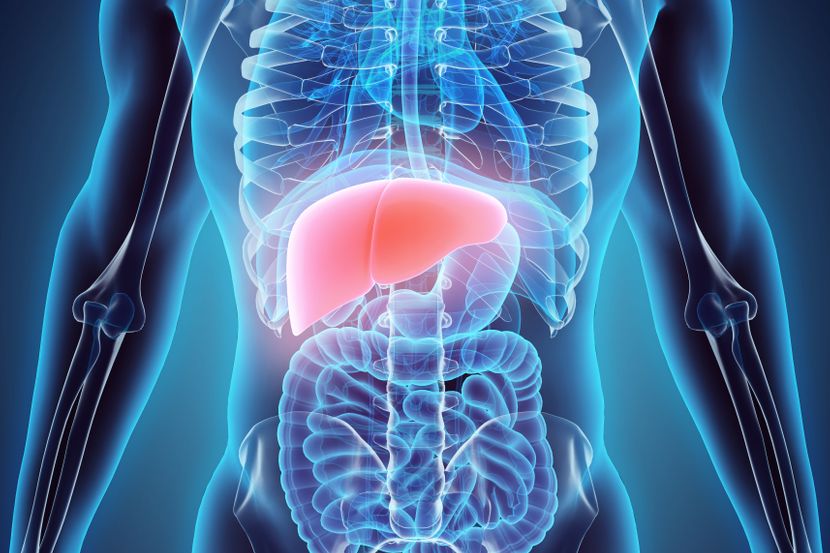
Is Your Liver Aging Faster Than You Think? Key Signs and Foods That May Be Harming It

Summary
- The liver filters blood, produces nutrients, and stores energy.
- Aging reduces liver size, blood flow, and enzyme activity, increasing sensitivity to toxins.
- Key liver functions include blood filtration, toxin metabolism, bile production, and nutrient storage.
- Foods to avoid for liver health: ultra-processed foods, saturated fats, alcohol, refined carbohydrates, and high-sodium foods.
For many, the first association with the liver is "detox." While the market is inundated with ads for various regimens, juices, and supplements, the reality of liver function is far more complex. The liver is an incredibly versatile natural laboratory and a master of detoxification. It constantly works to filter blood, produce vital nutrients, and store energy, acting as the body's personal chemist and cleaner.
However, the liver has its limits. Neglecting its health while expecting it to work miracles indefinitely can lead to serious consequences. Understanding its functions and how they decline with age is essential for long-term well-being.
The Magic of Detoxification: Key Functions
- The body is constantly exposed to toxins from the air, food, and skin products. To manage this load, the liver performs several critical tasks daily:
- Blood Filtration: It filters blood circulating from the digestive system, separating beneficial nutrients from potentially harmful toxins and metabolic byproducts.
- Toxin Metabolism: Specialized enzymes transform identified toxins into less harmful substances that can be easily eliminated.
- Bile Production: Beyond aiding in fat digestion, bile serves as a transport medium to carry toxins and metabolic byproducts to the intestines for excretion.
- Nutrient Storage: The liver stores essential vitamins, minerals, and glucose, ensuring a constant fuel supply for the body.
Why Liver Care Becomes Critical with Age
As the body ages, liver function naturally undergoes changes that make it more sensitive to external factors:
- Decrease in Size: The liver shrinks over time, affecting its capacity to process nutrients and filter toxins.
- Reduced Blood Flow: Narrowing blood vessels lead to decreased circulation, reducing the efficiency of detoxification.
- Lower Enzyme Activity: A decline in detox enzymes makes it harder to process medications and alcohol, increasing the risk of complications.
- Reduced Resilience: An older liver is more susceptible to damage from toxins, medications, or disease.
Failure to support liver health can trigger a cascade of issues, including fatigue, nausea, skin rashes, and, in severe cases, cognitive confusion or difficulty concentrating.
8 Types of Food and Drink to Avoid for Optimal Liver Function
To protect the liver, it is crucial to minimize or eliminate substances that cause oxidative stress and fat accumulation.
- Ultra-Processed Foods: Additives, preservatives, and excessive salt and sugar create a significant toxic load.
- Saturated Fats: Found in red meat, full-fat dairy, and tropical oils like coconut and palm. High intake is strongly linked to fatty liver disease and inflammation.
- Industrial Carbonated Drinks: Excess sugar is rapidly converted into fat in the liver. Artificial sweeteners are also problematic, as they can harm gut microbiota and metabolic health.
- Alcohol: Metabolism of alcohol creates toxic byproducts that cause inflammation. Over time, this leads to cirrhosis and impairs the liver's ability to break down fats.
- Refined Carbohydrates: White flour and sugary sweets cause insulin spikes, leading to insulin resistance and fat accumulation in liver cells.
- High-Sodium Foods: Excessive salt causes fluid retention and increases blood pressure, further overloading the liver's filtration capacity.
- Fried Foods: High-temperature frying creates Advanced Glycation End Products (AGEs), which contribute to oxidative stress and liver cell damage.
- Red and Processed Meats: Beef, pork, and lamb are often high in saturated fats and may contain environmental toxins or hormones that burden the liver's detox functions.

By minimizing the intake of ultra-processed foods, saturated fats, and alcohol, you can significantly reduce the workload on your liver, allowing it to maintain its vital role as the body's primary metabolic and filtration hub.
Related news

Vegan and vegetarian diets linked to 36 extra minutes of sleep and nearly 90 percent excellent sleep ratings
Study finds plant-based diets can actually lengthen telomeres and slow cellular aging over 5 years
Why Plant-Based Eaters and Older Adults Should Consider Creatine for Cognitive and Physical Support
Ultra-processed foods may worsen anxiety: Heres how sugar, additives, and low fiber affect your brain
Plant Based House reserves all rights to the content. For downloading content, see instructions on the Terms of Use page.