Increase calcium for a lower risk of colon cancer: Plant sources better than milk

Summary
- Oxford University study links higher calcium intake to a 17% reduced risk of colon cancer.
- Calcium binds to bile and fatty acids in the colon, reducing carcinogenic potential.
- Recommended dietary sources of calcium include seeds, leafy greens, tofu, dried figs, and canned fish.
A major study published by Oxford University in January 2025 found a compelling link between higher calcium intake and a reduced risk of colon cancer. According to the authors, just 300 mg more calcium per day is associated with a 17% lower risk of developing this serious disease. This research remains highly relevant today, as the scientific community continues to urgently discuss the alarming increase in colon cancer cases among adults aged 25 to 49 over the past decade and a half.
Following the publication of the 2025 study, the dairy industry attempted to use these findings to promote milk as the ultimate source of calcium. However, the study’s authors clearly emphasized that their results point to the protective effects of the mineral itself, regardless of its source. In other words, the protective benefits are linked to calcium, not specifically to dairy milk. The Oxford researchers analyzed health and nutrition data from over 500,000 women (average age 59) over a 16-year period, tracking the effects of 97 different types of food on colon cancer risk.
How Calcium Protects the Colon
While calcium is widely known as the essential mineral for maintaining bone health, it plays several other vital roles in the body. Scientists believe that calcium’s protective role against cancer stems from its ability to bind to bile acids and free fatty acids in the colon, effectively reducing their carcinogenic potential.
Colon cancer is consistently ranked among the top four most common types of cancer globally. The link between this disease and diet is well-established. To focus on prevention, experts highly recommend reducing the intake of ultra-processed foods and red meat, while significantly increasing the consumption of vegetables, fruits, whole grains, and legumes. This Oxford study makes these recommendations even more precise by highlighting the crucial importance of calcium-rich foods.
Note: As this is an observational study, further research is always needed to definitively confirm exact mechanisms. Experts note that it is often difficult in such studies to separate the effects of a single micronutrient from the overall "food matrix" it comes in.
5 Excellent Dietary Sources of Calcium
Given the concerns surrounding the consumption of dairy products, experts point out that there are numerous excellent, plant-based sources of calcium that serve as superior alternatives. The official daily recommendation for calcium intake is 1000 mg. Here are five foods to easily incorporate into the daily diet:
- Seeds: Extremely rich in calcium. Just one tablespoon of sesame seeds contains about 100 mg of calcium, while a tablespoon of poppy seeds delivers an impressive 127 mg. They are also packed with dietary fiber and healthy fats.
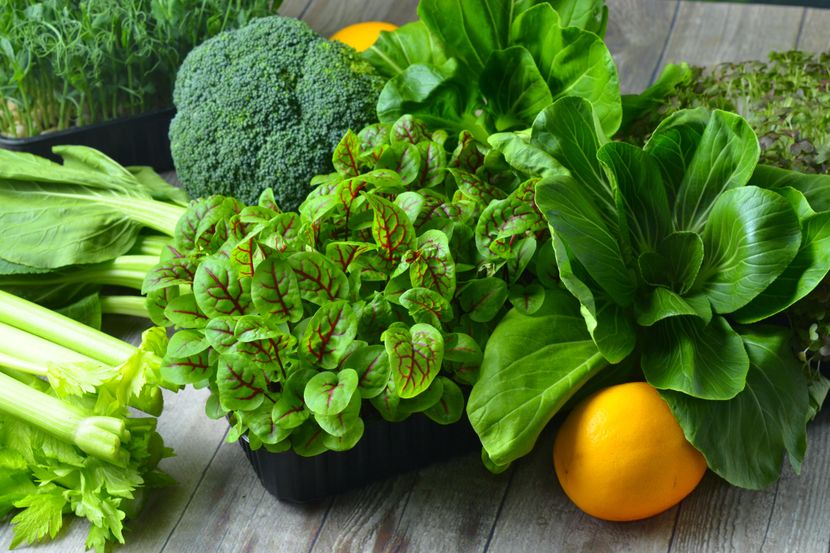
- Leafy Greens (Excluding Spinach and Chard): One serving of cooked collard greens contains about 268 mg of calcium. Kale offers up to 250 mg per 100 g - significantly higher than milk. (Note: While rich in calcium, spinach and chard are high in oxalates, which bind to calcium and prevent the body from absorbing it).
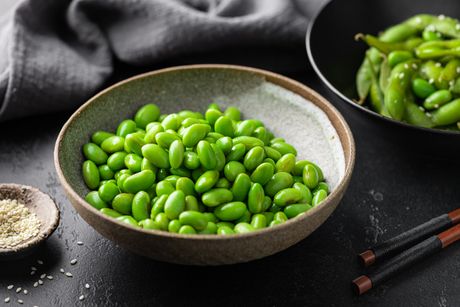
- Tofu and Edamame: Nutritious soy products are fantastic sources. A single serving of tofu can contain nearly 200 mg of calcium, and edamame (young soybeans) also provides solid amounts.
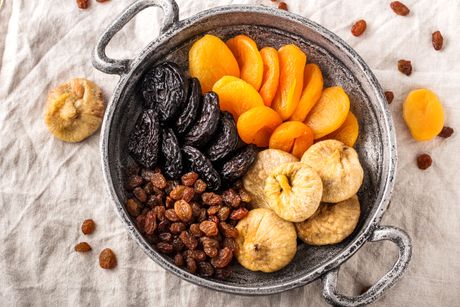
- Dried Figs: This wonderful dried fruit contains more calcium than any other fruit. Just two large dried figs provide 100 mg of calcium (10% of the daily requirement), alongside fiber and vitamin K.
- Canned Fish: For those who consume fish, canned varieties like sardines are exceptionally rich in calcium because their softened, edible bones are left intact. Just 60 g of sardines in oil contains up to 240 mg of calcium.
Calcium Absorption: Not All Foods Are Equal
The body's ability to actually absorb and use calcium (bioavailability) depends entirely on the food source. Research has established the following absorption rates:
- Kale, Bok Choy, Broccoli: 50–65% (Plant-based champions!)
- Tofu: 30–35%
- Dairy Products: 30%
- Sesame, Tahini, Almonds: 20–25%
- Legumes: 20–25%
- Spinach and Chard: 5% (Due to high oxalate content)
While dairy products are a well-known source of calcium, several plant-based foods boast an even higher absorption rate of this critical mineral. For those avoiding dairy, the message is clear: by maintaining a diverse diet rich in leafy greens, seeds, and soy products, one can easily meet calcium needs, protect colon health, and never have to fear a deficiency.
Related news

Cancer Can Take Decades to Develop-Why Your Daily Habits Matter More Than You Think
Over 8,000 Polyphenols: How These Plant Nutrients May Hold the Key to Lifelong Health and Vitality
Up to Four Cups a Day: Coffee Linked to Lower Heart Disease and Stroke Risk in Over 1.6 Million People
Over 200 Studies Link Raw Vegetable Intake to Lower Cancer Risk, According to Nutrition Expert
Plant Based House reserves all rights to the content. For downloading content, see instructions on the Terms of Use page.