
Biohacking vs Blue Zones: Experts Debate Beans, Nuts, and Supplements for a Longer Life

Summary
- Experts discussed a divide between experimental biohacking and evidence-based longevity strategies.
- Biohacking advice often lacks scientific backing and can be risky without medical oversight.
- Dan Buettner highlighted beans and nuts as key foods linked to longevity, based on research in "Blue Zones."
- Studies show that increased bean consumption and regular walnut intake correlate with lower mortality rates and longer life.
At a well-attended event focused on strategies for healthier, longer lives, six experts exchanged views on the best ways to boost human lifespan. The conversation quickly revealed a sharp divide between experimental "biohacking" and evidence-based approaches to longevity.
Biohacking and Its Controversial Claims
One participant, a founder of a forward-looking longevity organization, shared a highly experimental regimen. His routine involves weight training, high protein consumption, and strict sleep hygiene, combined with a cocktail of supplements including rapamycin, quercetin, and berberine. While quercetin and berberine are plant-derived and often touted for potential health benefits, there is currently no conclusive scientific evidence to back their efficacy for life extension. Even more striking was the inclusion of rapamycin—an immunosuppressant drug still under investigation, with longevity testing largely limited to animal models like dogs.
The reliance on a pharmaceutical drug that has not been adequately tested for longevity in humans raises significant safety concerns. For many in the medical community, promoting such experimental treatments is viewed as premature and potentially risky.

The Rise and Risks of DIY Biology
Biohacking, often described as "do-it-yourself biology," has attracted a dedicated following online. Many proponents promote tips and techniques aimed at enhancing health, appearance, and performance. However, these individuals rarely possess formal training in medicine or biochemistry. This advice, widely shared on social media, often appeals to those seeking quick solutions but frequently lacks scientific backing. Without proper medical oversight, such recommendations can be ineffective or even dangerous. Caution and skepticism are strongly advised when encountering these unverified health claims.
Evidence-Based Wisdom: Beans and Nuts
In contrast to the supplement-heavy approach, longevity expert Dan Buettner presented a perspective rooted in decades of research on "Blue Zones"—regions known for exceptionally high life expectancy. Buettner emphasized that two simple foods stood out in studies of long-lived populations: beans and nuts.
Global research, including a 2004 study spanning Japan, Sweden, Greece, and Australia, consistently links higher legume consumption to lower mortality rates. Specifically, data suggests that for every 20-gram increase in daily bean consumption, the risk of death drops by approximately 7%. No other food group in the study demonstrated a similar effect. Buettner recommends incorporating beans into daily meals, such as in traditional minestrone soups.
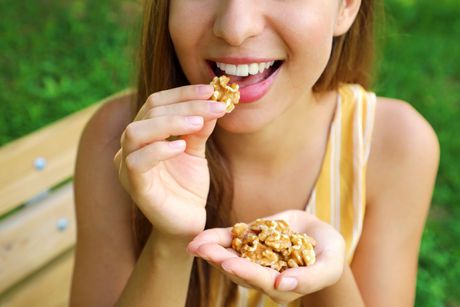
For those who prefer other options, walnuts were highlighted as another potent longevity food. Regular consumption of 15 to 30 walnuts a day is associated with living at least three years longer compared to non-consumers. This is evident in the community of Seventh-day Adventists in Loma Linda, California—a noted "Blue Zone"—where routine nut consumption correlates with lifespans about a decade longer than the national average. Experts further note that nuts and seeds support a healthy gut microbiome due to their fiber content. Walnuts, in particular, offer the highest levels of omega-3 fatty acids among nuts, benefiting both heart and brain health.
While the longevity space is increasingly filled with experimental supplements and untested methods, substantial scientific evidence supports a simpler path. The daily inclusion of beans and walnuts offers a proven, accessible, and safe way to support a longer, healthier life.
Related news

Eating plant-based for just a few days can transform your gut microbiome and reduce inflammation
Plant Based House reserves all rights to the content. For downloading content, see instructions on the Terms of Use page.