
Why Matcha Is Worth Every Penny: The Superfood That Targets Cancer Stem Cells

Summary
- Matcha provides stable mental energy, enhanced metabolism, and a high dose of antioxidants.
- The whole leaf is consumed, offering full fiber content and a high concentration of polyphenols.
- Historically used by samurai and monks for stamina and focus modern science supports its benefits.
- Matcha has potential in cancer research for targeting cancer stem cells.
- Offers a smoother caffeine experience than coffee and has more antioxidants than blueberries.
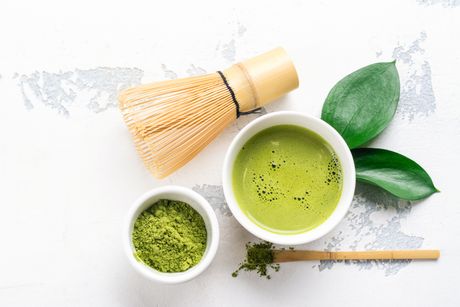
While the price tag of high-quality matcha powder might deter some, its impressive range of health benefits continues to attract a loyal following who consider it a worthy investment. Advocates praise matcha not just as a drink, but as a fuel for stable mental energy, enhanced metabolism, and a potent dose of antioxidants in every sip.
Whole Leaf, Whole Benefits
Unlike standard green tea, where leaves are steeped and discarded, matcha involves grinding the entire tea leaf into a fine powder. This allows consumers to ingest the leaf in its entirety, benefiting from its full fiber content and nutritional profile. This method, combined with the unique practice of shading the plants for several weeks before harvest, boosts the production of chlorophyll and amino acids. The result? A staggering concentration of polyphenols—up to 300 times greater than that found in regular green tea.
From Samurai to Science
Historically, matcha was the drink of choice for Japanese samurai, who valued its ability to boost physical stamina and mental focus before battle. Zen Buddhist monks also relied on it to support extended meditation sessions, seeking the state of "calm alertness" it provides. This unique effect is attributed to the synergy between caffeine and L-theanine, an amino acid that promotes relaxation without inducing drowsiness. Instead of the jittery spike associated with coffee, matcha offers a steady, sustained release of energy.
Modern science continues to validate this ancient wisdom. Even NASA has explored matcha for its rich nutritional profile and energy-yielding properties, considering it a potential superfood for space missions.
Promising Potential in Cancer Research
Recent discoveries have further elevated matcha’s status in the medical community. Dr William Li, a renowned physician and researcher, has highlighted groundbreaking findings regarding matcha’s potential to target cancer stem cells. According to Dr Li, these cells are often responsible for cancer recurrence, and matcha extract has shown the ability to suppress them—a capability he notes is currently unmatched by many existing pharmaceuticals. This effectiveness is linked to the tea’s exceptional polyphenol concentration, a direct result of the shaded cultivation process. Additionally, consuming the whole leaf acts as a prebiotic, nourishing beneficial gut bacteria which are crucial for overall immunity.
Matcha vs. Coffee and Blueberries
- The Energy Difference: For those seeking a caffeine boost, matcha offers a smoother ride than coffee. The presence of L-theanine slows caffeine absorption, preventing the rapid "highs and lows" (and the dreaded afternoon crash) commonly associated with coffee.
- The Antioxidant King: While blueberries are often hailed as the gold standard for antioxidants, matcha is considered even more potent.
- Fitness Fuel: Research has also shown that consuming matcha can increase fat burning during exercise by up to 17%, cementing its role as a natural metabolism booster.

Conclusion
With its unique cultivation process, comprehensive nutrient profile, and a growing body of scientific support, matcha stands in a league of its own. Although it comes at a premium price, its potential for long-term health makes it an appealing choice for anyone investing in their overall well-being.
Related news

This tea is considered the best drink against insulin resistance: Here's why
Adding 50g of Walnuts to Breakfast Shows Immediate Brain Benefits, Says Study
7 Essential Plant-Based Food Groups That Dermatologists Recommend for a Radiant, Clear Complexion
Over 8,000 Polyphenols: How These Plant Nutrients May Hold the Key to Lifelong Health and Vitality
Plant Based House reserves all rights to the content. For downloading content, see instructions on the Terms of Use page.