
Could Your Gut Bacteria Help Prevent Obesity? New Research Highlights Turicibacters Role

Summary
- Turicibacter, a gut bacterium, helps regulate metabolism and protect against weight gain.
- Turicibacter reduces harmful ceramides, limiting fat absorption and storage.
- Replenishing Turicibacter in mice prevents excess weight gain and maintains gut health.
- Future therapies may focus on microbiome-based solutions for obesity and metabolic health.
The traditional belief that managing body weight is solely about self-control and calorie counting is being challenged by new scientific insights. Emerging evidence points to the gut microbiome—the community of microorganisms in our digestive tracts—as a crucial player in regulating metabolism, fat accumulation, and blood sugar levels.
Discovery of a Key Bacterium: Turicibacter
A research team at the University of Utah investigated approximately 100 gut bacteria strains to identify those that might protect against weight gain. Through their experiments, they identified Turicibacter as especially effective.
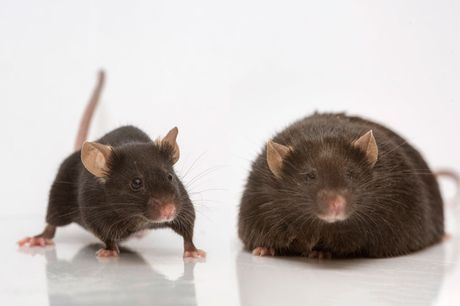
In studies involving mice fed a high-fat diet, those supplemented with Turicibacter gained less weight, maintained lower blood sugar, and showed reduced fat levels in their blood compared to the control group. This suggests that Turicibacter helps preserve metabolic health, even in the presence of increased dietary fat and calories.
How It Influences Metabolism
Scientists believe the bacterium's benefits are tied to its effect on ceramides—lipid molecules that typically rise with fatty diets. High levels of ceramides are associated with increased fat absorption, storage, and a higher risk of insulin resistance, type 2 diabetes, and cardiovascular issues.
Uniquely, while Turicibacter produces its own fatty compounds, these appear to limit the rise of harmful ceramides in the host, offering a potential protective mechanism against the negative effects of a high-fat diet.
Implications for Future Therapies
Crucially, high-fat diets tend to reduce the natural abundance of Turicibacter in the gut. This means individuals with obesity may have fewer of these beneficial bacteria, causing them to lack this protective advantage.
In the mouse studies, replenishing Turicibacter allowed the animals to maintain a favorable gut microbiome and avoid excess weight gain. While these findings are promising, researchers caution that more work is needed to confirm if similar effects occur in humans. However, they remain optimistic that pinpointing the specific bacterial lipids involved could open new avenues for obesity treatment.
The Promise of Microbiome-Based Medicine
This discovery fits into a wider movement within medical science exploring the microbiome's influence on health—ranging from immunity and mental well-being to inflammation and metabolism.
Future therapies might involve:
- Replenishing lost beneficial bacteria (probiotics).
- Using specific microbial byproducts (postbiotics).
- Tailoring probiotic combinations to individual needs.
In the meantime, diets high in diverse plant fibers and fermented foods are seen as the best way to create a supportive environment for these helpful microbes. Ultimately, supporting a thriving microbiome may be just as important as managing calories when it comes to long-term health.
Related news

Red and processed meats linked to chronic inflammation: What science reveals about your daily diet choices
Are Lectins Really Dangerous? Experts Dispel Myths and Reveal Surprising Health Benefits of Beans
This tea is considered the best drink against insulin resistance: Here's why
Volumetrics Diet Reveals You Can Lose Weight by Eating More: The Science Behind Feeling Full Longer
Plant Based House reserves all rights to the content. For downloading content, see instructions on the Terms of Use page.