
How a Day in the Woods Can Supercharge Your Immune System-Beyond Diet and Exercise

Summary
- Time in natural wooded areas boosts the bodys cancer-fighting mechanisms through increased natural killer cell activity.
- Forest exposure significantly reduces cortisol levels, indicating stress relief.
- Forest aromas, specifically tree-derived oils, may play a role in enhancing immune response and reducing cancer mortality.
Recent research indicates that time spent in natural wooded areas can provide a measurable boost to our body’s cancer-fighting mechanisms. Natural killer cells, which play a crucial role in defending against disease, respond positively to forest exposure, according to scientific investigations.
Beyond Diet and Exercise: The Role of Forests
While a balanced diet and regular physical activity are widely recognized as important for health, scientists have discovered that immersing oneself in a forest environment offers unique immune system benefits. Initial studies focused on stress reduction, checking saliva for cortisol levels-a primary stress hormone. They observed that forest walks led to a significant drop in cortisol compared to urban walks, though even the anticipation of a forest trip reduced cortisol, raising questions about its central role in boosting immunity.
Notable Increases in Immune Cell Activity
Further investigation revealed that the real impact of forest time went beyond stress relief. In one study, male participants showed a 50% rise in natural killer cell activity after a forest visit, with similar findings reported among women. The increase was not simply a result of extra physical activity, and researchers also determined that even a single day in the woods was enough to enhance these immune cells. Importantly, the elevated immune response persisted-remaining higher for up to a week, and in some cases, for a month after the trip.
Comparing Forest and Urban Environments
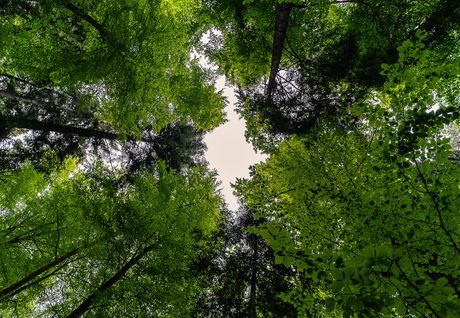
To clarify the source of these benefits, scientists conducted controlled studies comparing groups who spent time in forests versus those who visited urban areas. Both groups matched in terms of physical exertion, diet, sleep, and alcohol consumption. The forest group experienced up to an 80% increase in natural killer cells and anti-cancer protein expression, while the urban group saw only marginal changes of about 10%. Notably, the lasting effects in the forest group were observed even a month after their visit.
Forest Aromas: A Potential Explanation
Investigators sought to understand what in the forest environment could deliver such lasting immune advantages. Although reduced cortisol was noted after forest exposure, these lower levels faded quickly, suggesting another mechanism at work. Attention turned to the distinctive scents of the forest-aromatic compounds released by trees. After just one hour in a conifer forest, participants had a sixfold increase in these substances in their bloodstream. Laboratory studies confirmed that certain combinations of these tree-derived oils can destroy leukemia cells. Some experts even suggest that such compounds may contribute to lower cancer mortality rates in heavily wooded regions of Japan.

The evidence increasingly points to forests as a valuable ally in strengthening our immune response, especially against cancer. With scientific studies clarifying the unique health benefits of forest environments, regular visits to wooded areas may be a powerful addition to a healthy lifestyle.
Related news

Red and processed meats linked to chronic inflammation: What science reveals about your daily diet choices
How Sleep Acts as the Brains Washing Machine-And Why Missing It May Be Deadly, Says Dr. Walker
Cancer Can Take Decades to Develop-Why Your Daily Habits Matter More Than You Think
Yo-yo dieting raises sudden cardiac death risk by 3.5 times, study finds in postmenopausal women
Plant Based House reserves all rights to the content. For downloading content, see instructions on the Terms of Use page.