Unlock the Power of Soy Flakes: High-Protein, Gluten-Free, and Perfect for Meatless Meals

Summary
- Soy flakes are made from defatted soy flour or concentrate with at least 70% protein.
- Soy flakes are gluten-free and a good source of iron, calcium, and B vitamins.
- They serve as a meat replacement in various dishes due to their neutral taste and ability to absorb flavors.
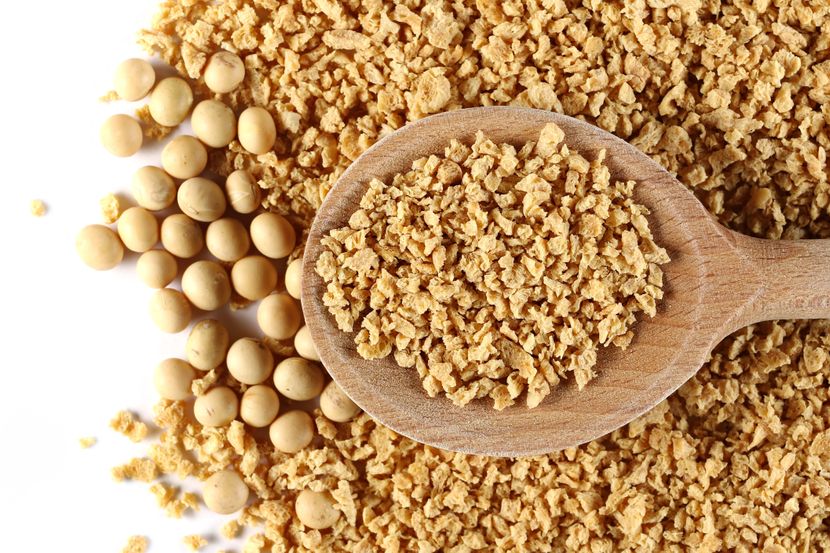
As their name suggests, soy flakes (often referred to as soy mince or granules) are made from soybeans. The production process usually starts with defatted soy flour or concentrate, from which the soy oil has been removed. This concentrate, containing at least 70% protein, is mixed with water and processed under high temperature and pressure (extrusion) to produce a product with a firm, porous, and fibrous texture.
The result is a shelf-stable, dehydrated product with a high protein content. Once rehydrated, its texture resembles meat, and due to its neutral taste, it easily absorbs the flavors of any dish it is added to.
Nutritional benefits of soy flakes
Dehydrated soy products are nutritional powerhouses:
- High Protein: They contain 50-70% protein, depending on the manufacturer.
- Low Fat: The fat content is very low since it is removed during production (1-2 g per 100 g).
- Rich in Fiber: With about 17 g of fiber per 100 g, they aid digestion and provide a feeling of fullness.
- Vitamins & Minerals: They are a good source of iron, calcium, and B vitamins.
- Gluten-Free: Naturally gluten-free, making them excellent for gluten-sensitive individuals looking for meat alternatives.
- A Note on Balance: Since dehydrated soy products (flakes, chunks, and medallions) are processed foods, they shouldn't be the sole center of your diet despite their benefits. It is recommended to use them occasionally. In a healthy plant-based diet, preference should be given to whole or minimally processed foods like edamame, tofu, tempeh, and unsweetened soy milk.
How to use soy flakes and medallions
- Meat Replacement: Soy flakes can replace ground meat in almost any cooked dish - Spaghetti Bolognese, Mexican chili, tacos, burritos, stir-fries, or meatballs in sauce. They absorb the sauce flavors perfectly and provide a meaty texture.
- Veggie Burgers: Veggie burgers and sausages are a great way to use soy flakes. Their high protein content and ability to bind ingredients when liquid is added make them an excellent base for homemade meat alternatives.
- Soups and Stews: Adding dehydrated soy products to soups and stews is an easy way to boost protein content and create a richer, more filling meal.
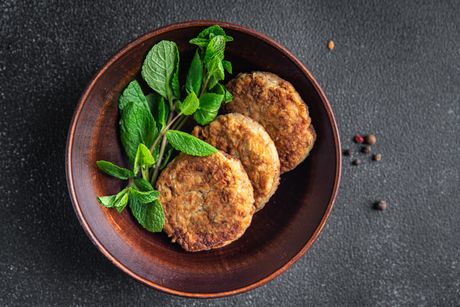
Recipe: Quick Soy Flake Patties
Ingredients:
- 80 g Soy flakes (approx. 1 cup)
- 220 ml Hot water (approx. 1 cup)
- 1/2 Vegetable bouillon cube (dissolved in the hot water)
- 2 tbsp Ground flaxseed
- 2 tbsp Soy sauce
- 1 tbsp Tomato paste or ketchup
- 45 g Instant oat flakes (rolled oats)
- 30–40 g Whole grain flour (of your choice)
- 2 tsp Smoked paprika
- 1/2 tsp Granulated garlic
- 1/2 tsp Onion powder (or some finely chopped fresh onion)
- 1/2 tsp Cumin powder
- 1/4 tsp Black pepper
Instructions:
- Rehydrate: Place the soy flakes and ground flaxseed in a deep bowl. Pour over the hot vegetable broth (water + bouillon cube), soy sauce, and tomato paste. Stir well and let the mixture sit for about 15 minutes to allow the flakes to absorb the liquid.
- Combine: Add the oat flakes, flour, and spices to the bowl. Mix everything thoroughly until combined.
- Shape: Take a portion of the mixture (depending on your preferred size) and shape it into patties with your hands.
- Cook: Heat a little oil in a pan over medium heat. Fry the patties until they are golden brown and cooked evenly on both sides.
These simple veggie patties can be eaten hot or cold. You can store them in the fridge for a few days and reheat them as needed.
Related news

Make the best "meatballs" from any type of legumes: This is a universal recipe
How to Save Money and Use Old Bread: Quick Recipes for Every Day
How Mung Beans Became a Global Staple: Nutrition, Versatility, and Plant-Based Innovations Explained
Why Shiitake Mushrooms Are Considered the Secret Weapon of Plant-Based Cooking and How to Make the Most of Them
Plant Based House reserves all rights to the content. For downloading content, see instructions on the Terms of Use page.