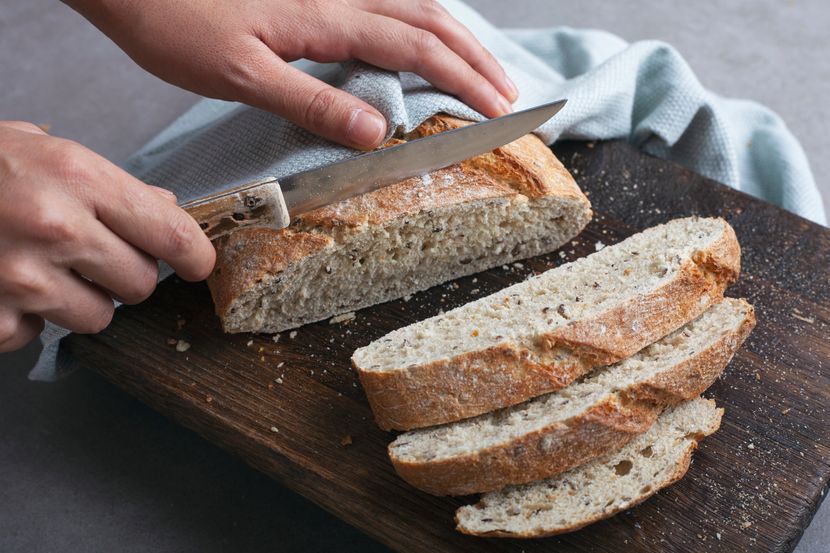
How to Save Money and Use Old Bread: Quick Recipes for Every Day

Summary
- Bread waste significantly contributes to global food waste, impacting the environment and economy.
- Grains, including bread, are the largest source of wasted calories worldwide.
- Wasting bread squanders resources like land, energy, and water used in its production.
- Reducing food waste and adopting plant-based diets are key strategies to lower CO2 emissions.
- Creative uses for stale bread include croutons, sweet bakes, vegan pies, panzanella, and breadcrumbs.
Bread is a staple in households worldwide, often appearing at every meal. Despite its importance, a staggering amount of bread is thrown away daily, especially once it turns stale. This common habit is a major contributor to food waste, an issue with far-reaching environmental and economic consequences.
Global Food Waste and the Role of Bread
Scientific findings highlight that grains represent the largest source of wasted calories worldwide. Households typically discard bread not because it has spoiled, but simply because it has lost its freshness. This pattern is a key driver of the broader food waste crisis.
Beyond the loss of the food itself, wasting bread means squandering the immense resources used in its production, including land, energy, and water. Embracing creative ways to repurpose leftovers reflects a deeper respect for our food systems and serves as a practical step toward sustainability.
Reducing Emissions Through Better Choices
Experts agree that two of the most effective strategies to lower food-related CO2 emissions are minimizing food waste and opting for a plant-based diet. Taking action in the kitchen by reusing bread aligns with both goals while also leading to significant cost savings.
Creative Ways to Use Stale Bread
There are many plant-based recipes that can transform "old" bread into gourmet dishes:
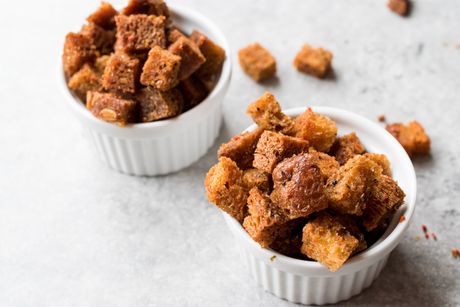
- Homemade Croutons: Cube the bread, toss with olive oil, salt, pepper, and herbs, then bake until golden and crisp. Perfect for salads or soups.
- Sweet Bread Bake: Soak bread pieces in a mixture of plant-based milk, maple syrup, vanilla, and cinnamon. Bake until set and serve with a fresh berry sauce.
- Vegan "Bread Pie": Combine bread with sautéed vegetables and a chickpea flour and plant milk blend. Bake until golden for a savory, high-fiber meal.
- Panzanella: This classic Italian bread salad uses toasted bread mixed with juicy tomatoes, cucumbers, and fresh basil, dressed in extra virgin olive oil and vinegar. Let it rest so the bread absorbs the vibrant flavors.
- Homemade Breadcrumbs: Dry the bread in the oven at a low temperature, blend until fine, and store. You can add dried garlic or Italian herbs for extra flavor.
Quick Trick for Reviving Hardened Bread
If you have a hard roll or baguette that seems past its prime, try this: wrap it in a damp cloth and warm it in the oven at a low temperature (around 150°C) for a few minutes. The moisture will restore its softness, making it taste freshly baked again.
Making the most of leftover bread is a simple yet powerful way to foster a more sustainable and mindful approach to consumption. By trying out these recipes and kitchen tricks, we can all play a part in tackling the global food waste problem while enjoying delicious, resourceful meals.
Related news

Make the best "meatballs" from any type of legumes: This is a universal recipe
How Mung Beans Became a Global Staple: Nutrition, Versatility, and Plant-Based Innovations Explained
Why Shiitake Mushrooms Are Considered the Secret Weapon of Plant-Based Cooking and How to Make the Most of Them
Swap Mayo for Hummus or Avocado: Cut Calories and Boost Nutrition With Simple Sandwich Upgrades
Plant Based House reserves all rights to the content. For downloading content, see instructions on the Terms of Use page.