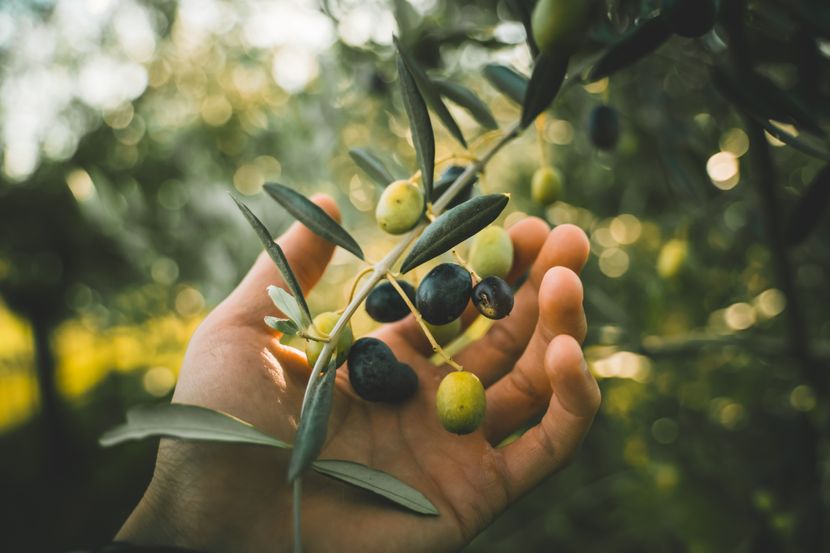
Did you know olives can help lower cancer risk, support heart health, and boost brain power? Heres how

Summary
- Olives support heart health by lowering LDL cholesterol and increasing HDL cholesterol.
- Regular consumption of olives may reduce the risk of breast, colon, and prostate cancer.
- Olives contain healthy fats that improve memory, focus, and reduce the risk of neurodegenerative diseases.
- Oleic acid in olives enhances metabolism and stabilizes blood sugar levels.
- Olives are rich in antioxidants, slowing biological aging and improving overall vitality.
Sometimes even very small changes can result in unexpected benefits. We tend to dream of grandiose changes in appearance and health, which usually require huge efforts - intense diets, strict routines, and constant sacrifices. However, the good news is that it is enough to start by adding one extremely powerful and nutritious food to your plate, and such steps will, over time, push our diet and health in the desired direction. One of the most well-known powerful foods?
Olives...
This humble fruit (yes, technically olives are classified as fruit) has been a staple in the Mediterranean diet for centuries. Science is slowly catching up with what tradition already knows - that regular consumption of olives can strengthen our bodies in multiple ways: from supporting heart and brain health and preventing certain types of cancer to slowing biological aging and having a favorable impact on overall metabolism.
Olives and Cancer Prevention
Olives and olive oil are rich in polyphenols, powerful antioxidants that calm inflammatory processes and fight oxidative stress - processes that play a role in the development of many types of cancer. Hydroxytyrosol from olives has shown the ability in laboratory settings to slow the development of cancer cells and support the body's natural defense power. Studies have found a link between regular consumption of olives and olive oil and a reduced risk of breast, colon, and prostate cancer. Although olives are not a magical solution, they are certainly part of the broader picture of how diet can provide great long-term support for cellular health.
Support for Heart Health
Cardiovascular diseases have been the leading cause of death globally for years, but science confirms that diet is one of the most powerful tools for prevention. Monounsaturated fats from olives help lower "bad" LDL cholesterol and contribute to an increase in "good" HDL cholesterol. Furthermore, antioxidants from olives also help improve blood vessel function and assist in reducing blood pressure - important prerequisites for protecting heart health. Therefore, it is no surprise that some of the longest-living communities on the planet, such as those in the "Blue Zones," regularly include olives and olive oil in their diet.
Mental Abilities, Mood, and Brain Aging
Our brain loves healthy fats - and olives have them in abundance. Regular intake of such fats is associated with better memory, focus, and the preservation of mental abilities as we age. Healthy fats from olives support the structure of brain cells, while polyphenols reduce inflammation and oxidative stress - processes that contribute to the development of Alzheimer's disease and other neurodegenerative conditions. Additionally, olives seem to have an impact on mood; a link has been found between a diet rich in olives and olive oil and a lower incidence of depression and anxiety.
Boosting Metabolism and Supporting Healthy Aging
Olives contain oleic acid, a type of fat that positively affects cell sensitivity to insulin and overall metabolic function. Therefore, they can help stabilize blood sugar and energy levels, leading to a more efficient metabolism. Antioxidants from olives protect our cells from premature aging by fighting free radicals. In this way, we maintain more vitality as we age - resulting in better skin appearance, less joint pain, healthier organs, and DNA with fewer degenerative changes.
The Tastiest Ways to Add Olives to Your Diet Daily
Adding olives daily to your meals is simple and contributes not only to the taste of dishes but also to health and longevity. Which olives should be chosen for maximum benefits?
- For more antioxidants: choose green olives.
- For more healthy fats and a milder taste: choose black olives.
- For the best health effects: mix green and black olives and choose less salty varieties (or rinse them to remove excess salt before use).
Ways to enjoy olives daily:
- Add them to salads - whether green, whole grain, or legume-based.
- Use them in pasta dishes or as a pizza topping.
- Add them to homemade hummus - grated lemon zest provides an excellent Mediterranean touch.
- Combine them with tomatoes, cucumbers, red onion, fresh herbs, and a whole grain like quinoa, barley, or bulgur in a quick "Mediterranean bowl."
- Chop them into bread or pastry dough during kneading.
- Use an olive tapenade spread on toast for breakfast or as an appetizer.
- Drizzle extra virgin olive oil over roasted vegetables or add it when serving vegetable soups.
Recipe: Mediterranean Chickpea and Olive Stew
This is a hearty and very nutritious meal full of flavor, beneficial fiber, and healthy fats. It is quick to prepare and can be eaten hot or cold.
Ingredients:
- 1 tbsp olive oil
- 1 small onion (finely chopped)
- 2 cloves of garlic (chopped or mashed)
- 1 red bell pepper (diced)
- 1 small zucchini (diced)
- 1 can chickpeas (rinsed and drained)
- 1 can chopped or pureed tomatoes
- 1 handful pitted black olives (sliced)
- 1 tsp smoked paprika (or regular)
- 1 tsp oregano
- Salt and pepper to taste
- Fresh parsley or basil for garnish (optional)
Procedure:
- Heat the olive oil in a pot, then sauté the onion and garlic over medium heat until they begin to soften.
- Add the red bell pepper, zucchini pieces, smoked paprika, and oregano. Sauté for about 5 minutes until the vegetables slightly soften.
- Mix in the chickpeas, canned tomatoes (or puree), and sliced olives. Add salt and pepper to taste.
- Simmer together for about 20 minutes, occasionally adding water as needed to reach your desired thickness.
- Serve garnished with fresh herbs and a drizzle of olive oil. This dish pairs perfectly with toasted whole-grain bread, quinoa, or a fresh green salad.

Regularly adding olives to your diet is a tasty choice proven by centuries of Mediterranean tradition. Today, science wholeheartedly supports this choice, recommending that we view diet not only as a pleasure but also as medicine. Add a few olives to your plate today - your heart, brain, and your future self will be grateful.
Related news

Discover How to Make a Classic Spanish Tortilla 100% Plant-Based Using Chickpea Flour Instead of Eggs
The humble carrot can become a superstar in salads: With this great trick
Give radishes a chance: Surprise your household with these fresh and fun salads
Strawberries in Salads: Surprising Nutrition Facts and the Debate Over Sweet vs. Savory Pairings
Plant Based House reserves all rights to the content. For downloading content, see instructions on the Terms of Use page.