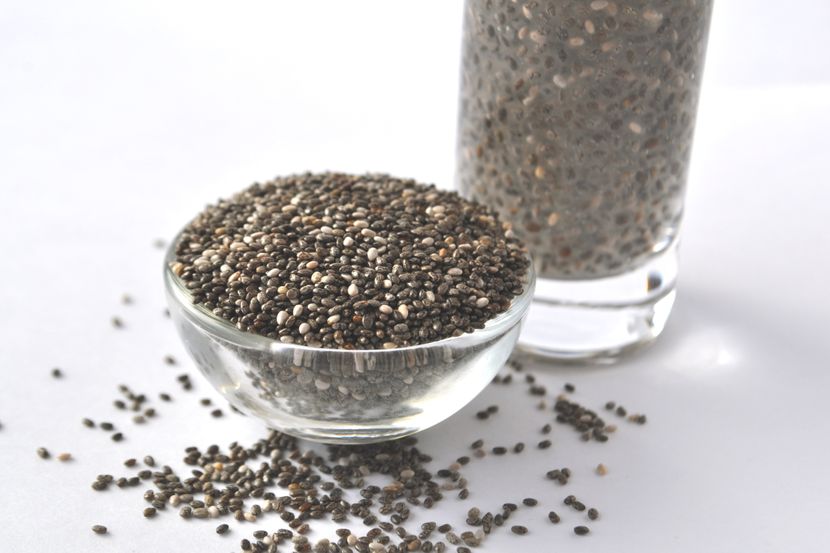
Chia Seeds: Ancient Superfood Offers Heart, Brain, and Blood Sugar Benefits Backed by Research

Summary
- Chia seeds contribute to heart health by lowering blood pressure, reducing inflammation, and decreasing cholesterol.
- They help manage blood sugar by lowering the glycemic index of meals.
- They provide omega-3s, plant protein, and essential minerals, with ground seeds offering better nutrient absorption.
While chia seeds are often dismissed as a fleeting food craze, their role in traditional Central and South American diets suggests lasting nutritional value. These tiny seeds have been relied on for generations, offering a remarkable nutrient profile that goes far beyond social media trends.
Health Benefits Backed by Research
Scientific investigations have highlighted several positive effects of chia seeds on metabolic and cardiovascular health:
- Heart Health: Studies indicate they may help lower blood pressure, reduce inflammation markers like CRP, and decrease cholesterol. A notable study in Diabetes Care confirmed these cardiovascular benefits.
- Blood Sugar Management: When added to baked goods, chia seeds can decrease the meal’s glycemic index. Their high fiber content slows carbohydrate absorption, preventing rapid spikes in blood sugar, according to a report in the Journal of Food Science and Technology.
- Weight and Appetite: Research in Nutrition Research found that chia seeds help reduce appetite. Their ability to swell and form a gel-like consistency in the stomach promotes a sense of fullness.
- Cognitive Function: A study in the American Journal of Clinical Nutrition linked chia consumption to improved cognitive performance and lower depression risk in older adults.
Key Nutritional Components
Two tablespoons of chia seeds pack a significant nutritional punch:
Omega-3 Fatty Acids (ALA): Essential for heart and brain health.
- Plant Protein: Approximately 5 grams per serving.
- Essential Minerals: Rich in magnesium, phosphorus, and calcium.
- Dairy-Free Calcium: Providing about 180 mg of calcium (18% of the daily value), making them an excellent option for those who do not consume dairy.
Whole vs. Ground Chia Seeds: Which is Better?
While both forms are beneficial, ground chia seeds offer specific advantages:
- Enhanced Digestibility: Grinding the seeds can increase the absorption of nutrients like omega-3s, antioxidants, and minerals like zinc.
- Texture: Ground seeds provide a smoother, paste-like consistency, ideal for thickening sauces or soups.
- Egg Substitute: Mix one tablespoon of ground chia with three tablespoons of water to create a perfect vegan "egg" for baking.
Practical Ways to Use Chia Seeds Daily
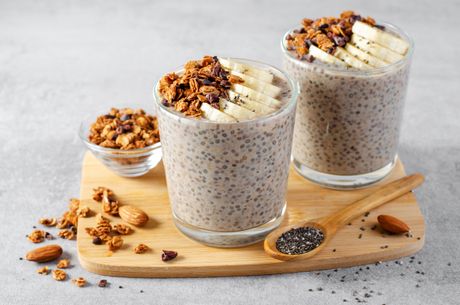
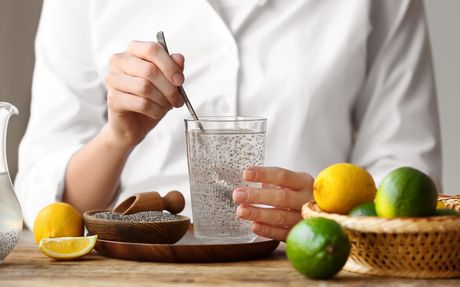
- Overnight Pudding: Mix with plant milk or yogurt and let sit overnight for a high-fiber breakfast.
- Smoothie Boost: Blend them in for added thickness and antioxidants.
- Quick Jam: Add ground chia seeds to hot, mashed berries for a nutrient-rich spread without refined sugar.
- Binder: Use them as a binder in veggie burgers or plant-based pastries.
By incorporating chia seeds into your daily meals, you are utilizing a nutrient-dense, natural food source that supports everything from blood sugar stability to long-term brain health.
Related news

Switching to Whole Grains: Just 3 Extra Slices of Bread a Day Cuts Hypertension Risk by 14%
Why Adding a Cup of Strawberries to Your Diet Could Transform Your Cardiovascular Well-being
Start your day in imperial style with a protein chia pudding: Almost a dessert for breakfast
Explosive fruit that shocks with flavor: Make the craziest quick cranberry jam
Plant Based House reserves all rights to the content. For downloading content, see instructions on the Terms of Use page.