Powdered milk is ubiquitous in industrial food: The reason will surprise most people

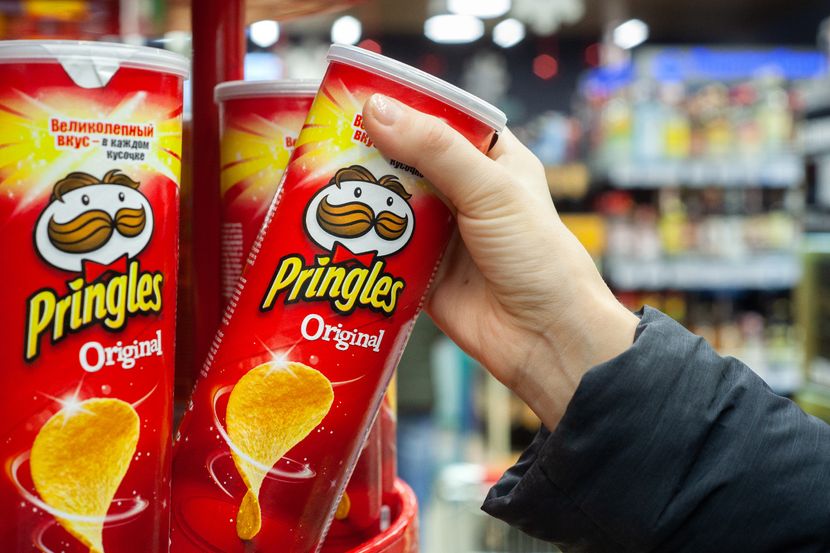
When we open a bag of chips or buy industrial cookies, dressings, and packet soups, we often find one recurring ingredient on the label: powdered milk. At first glance, it may seem harmless - perhaps added for calcium or protein? However, the truth is driven by profit. Powdered milk is ubiquitous in industrial food primarily for flavor design, creating a specific mouthfeel, and its low cost, rather than any nutritional value.
Why Manufacturers Use Powdered Milk
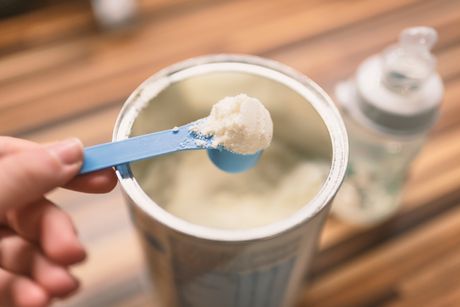
Powdered milk and its fats play a unique role in the formulation of ultra-processed products:
- Targeting the Brain’s Reward Center: Animal fat, even in dry form, activates dopamine pathways that trigger a desire for more food, keeping consumers coming back.
- Creating "Mouthfeel": It coats the inside of the mouth, creating a creamy and "softer" sensation that complements crunchy snacks and dry pastries.
- Flavor Balancing: The fat in milk balances the intensity of spices, salt, and aromas, making the overall taste more harmonious and appealing.
- The "Bliss Point": The food industry uses a specific formula: add fat, balance it with salt, and round it out with added sugar. This creates a "perfect" balance that doesn't exist in nature, designed to make us eat more than we need.
- Economic Efficiency: Powdered milk is a cheap raw material. As global dairy surpluses occur, the industry dries the excess milk to prevent waste and maximize profit by adding it to a vast array of shelf-stable products.
Why Is This a Problem?
When we consume industrial food containing powdered milk, we aren't just choosing a flavor; we are responding to a reward the brain gives us. This creates an illusion that the food is tastier than it actually is, "teaching" our brain to seek out these engineered textures. Consequently, natural, simple foods can begin to seem tasteless.
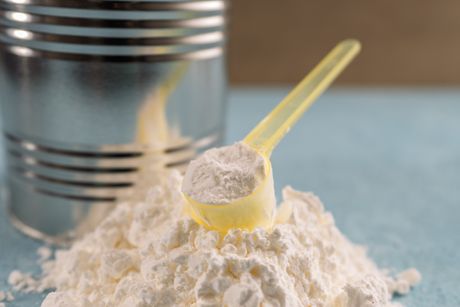
Beyond flavor dependence, powdered milk is a concentrated source of:
- Saturated fats: Which can raise LDL cholesterol and increase cardiovascular risk.
- Excess calories: Lacking fiber, which contributes to overeating.
- Oxidized fats: The drying process can create oxidation products that may contribute to cellular health risks.
Where Is It Hidden?
You can find it where you least expect it:
- Industrial pastries and cookies
- Instant soups, sauces, and dressings
- Chips and savory snacks
- Chocolate and confectionery
- Ready-made cake mixes and some commercial breads

Health Risks: What the Science Says
Large epidemiological studies show that regular consumption of ultra-processed foods (UPF) significantly increases the risk of chronic disease:
- Cardiovascular Disease: A study in the British Medical Journal showed higher risks of heart disease and stroke among high UPF consumers.
- Type 2 Diabetes: Research in JAMA Internal Medicine linked high UPF intake with metabolic issues due to the combination of fats, sugars, and additives.
- Obesity: The Mayo Clinic and NIH have shown that UPF promotes overeating by tricking our natural satiety signals.
- Mental Health: A 2022 study in Public Health Nutrition linked high UPF intake to increased risks of depression and anxiety.
- Mortality: The French NutriNet-Santé study found that every 10% increase in calories from UPF correlates to a 14% higher risk of mortality.
Next time you read a label and see "powdered milk," ask yourself: Is this food, or a chemically processed product designed to trick my brain?
Choosing a homemade meal of legumes, vegetables, and whole grains is a choice for life and health. Conversely, a diet dominated by industrial products turns the human body into a chemical experiment designed to maximize corporate profits.
Related news

Smoky Bean and Tofu Pâté Recipe: A 15-Minute, Protein-Packed Alternative to Processed Meats
Minimally Processed vs. Ultra-Processed: Which Foods Are Safest According to Science?
Discover a 2-minute plant-based spread with 80% daily calcium and 17g protein-no dairy required
7 reasons to eat dark chocolate every day: Science has identified these great benefits
Plant Based House reserves all rights to the content. For downloading content, see instructions on the Terms of Use page.