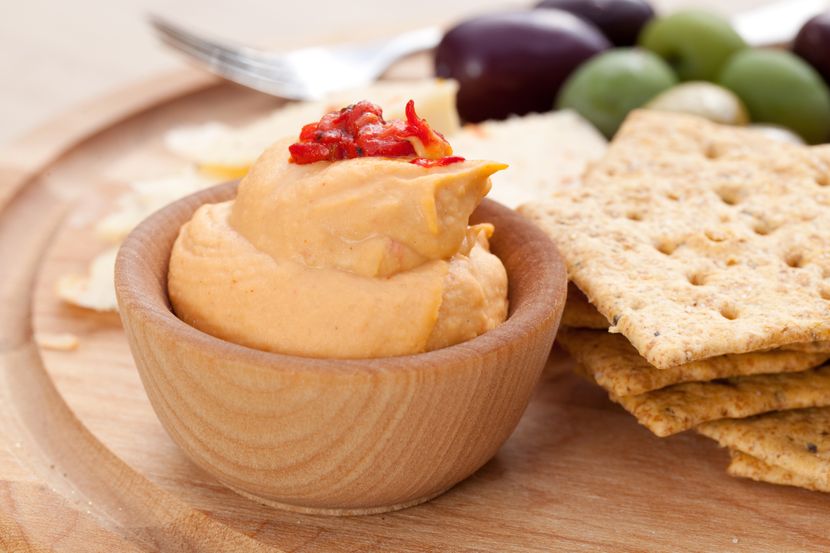
Discover a 2-minute plant-based spread with 80% daily calcium and 17g protein-no dairy required

Summary
- Marketing often shapes consumer beliefs about cheese, emphasizing its calcium and protein content while omitting its high saturated fat and sodium levels.
- Excessive saturated fat in cheese links to chronic diseases high sodium increases risks of high blood pressure and kidney disease.
- A plant-based "cream cheese" alternative uses tofu, sunflower seeds, and tahini, offering lower saturated fats and sodium.
Consumer beliefs about the nutritional benefits of cheese, like many other products, are often shaped almost exclusively through marketing. Unfortunately, marketing rarely focuses on educating buyers with full facts; instead, it selectively presents information designed to sell. For instance, cheeses are consistently promoted as excellent sources of calcium and protein, leading consumers to believe they are purchasing a purely healthy product. While protein and calcium are essential for health and bone density, this narrow focus leaves many buyers unaware of the complete nutritional picture.
Cheeses, especially those with a higher fat percentage, are among the largest sources of saturated fats in the modern diet. From a health perspective, this is a significant drawback. Extensive research has found a direct link between excessive intake of these fats and nearly all contemporary chronic diseases. Furthermore, the extremely high salt content in many cheeses is often overlooked. Excessive sodium intake increases the risk of high blood pressure and kidney disease - facts that are rarely highlighted in advertisements or on product packaging.
Nutritious and Healthy "Cream Cheese" Style Plant-Based Spread in 2 Minutes
This homemade plant-based alternative provides a creamy texture and rich flavor without the high levels of saturated fats and sodium found in dairy versions.
Ingredients You Will Need:
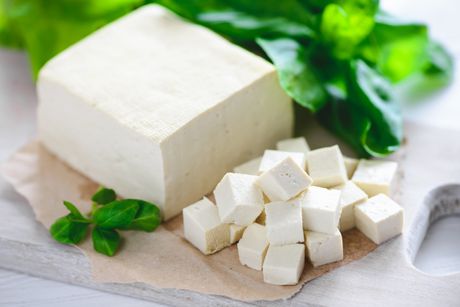
- 200-250 g Tofu (plain)
- 3 tbsp Sunflower seeds (raw, hulled)
- 1 tbsp Tahini (sesame paste)
- 1 piece Roasted red pepper (from a jar, approx. 40 g) or 1-2 tbsp ajvar
- 1 small Garlic clove
- 1 tbsp Olive oil
- Salt to taste
- Lemon juice to taste (or apple cider vinegar)
- Water as needed for the desired consistency
Preparation Method: Place all ingredients except the water into a blender or food processor. Blend until a creamy texture is achieved, gradually adding small amounts of water until reaching the preferred thickness. It is recommended to leave the spread slightly thinner, as it will thicken naturally while chilling in the refrigerator. This healthy vegan "cream cheese" can be stored in the refrigerator for at least 5 days.
Practical Tips from Vegan Cooking Communities
People experimenting with homemade vegan cheese often share useful practical tips online. In discussions on Reddit, many note that soaked nuts or seeds significantly improve texture, making plant-based cheese smoother and creamier when blended. Others recommend adding a small amount of lemon juice or vinegar to mimic the tangy flavor typical of dairy cheeses. Some users also suggest letting the spread rest in the refrigerator for a few hours, explaining that the texture thickens and the flavors become more balanced after chilling. These community tips show that with a few small adjustments, homemade plant-based cheese can achieve a texture and taste very similar to traditional spreads while remaining nutritionally lighter.
Nutritional Comparison: Dairy vs. Plant-Based Ingredients
Choosing this homemade spread provides a nutritionally superior option for the entire family. When comparing the nutritional values of dairy and the plant-based ingredients used in this recipe, the differences are striking:
- Calcium Content: While 100 g of dairy milk covers about 10% of the Daily Value (DV) for calcium, 100 g of tofu can provide up to 50% of the DV.
- Tahini Power: Sesame paste is one of the richest sources of calcium, with 100 g containing over 80% of the daily requirements.
- Protein Levels: Dairy milk contains approximately 3 g of protein per 100 g, whereas tofu provides 12-17 g, depending on the manufacturer.
- Healthy Fats vs. Saturated Fats: Sunflower and sesame seeds are rich in B-complex vitamins, vitamin E, copper, and selenium, along with high percentages of healthy unsaturated fats. In contrast, the majority of fats in dairy are saturated fats.
- Iron and Fiber: Dairy milk contains negligible amounts of iron. However, 100 g of tofu covers about 30% of the DV for iron, and sesame seeds cover 35%.
Additionally, plant-based spreads offer the essential benefit of dietary fiber, which is entirely absent from dairy products. By experimenting with different ingredients and additions, it is easy to create various healthy flavors that support long-term wellness.
Related news

Discover the Distinctive Taste and Nutritional Power of Fennel in Everyday Plant-Based Cooking
Plant Based House reserves all rights to the content. For downloading content, see instructions on the Terms of Use page.