Double Your Stem Cells: How High-Flavanol Cocoa Boosted Circulation in Heart Patients Over 60

Summary
- Cocoa contains flavonoids that improve heart health, joint mobility, and cognition.
- High-flavanol cocoa can double stem cells in blood, improving circulation and reducing cardiovascular disease risk.
- Regular cocoa intake reduces inflammation and improves skin hydration and elasticity.
- Choose unsweetened, non-alkalized natural organic cocoa for maximum benefits.
- Cocoa is rich in protein, fiber, magnesium, and healthy fats.
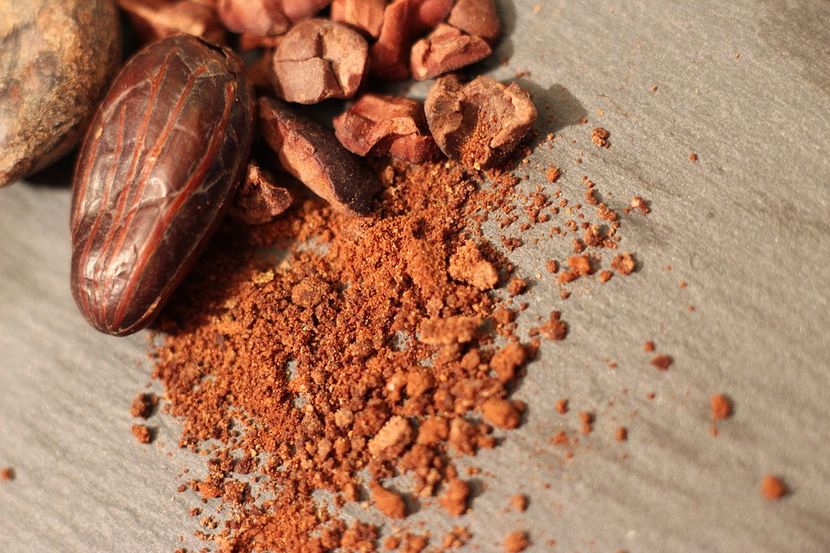
Do you also feel there is something truly magical about cocoa? We don’t mean sugar-laden chocolate, but real, rich cocoa powder - a dark treasure that holds the spirit of ancient rituals and the warmth of a healing cup. Modern science confirms that this plant is a powerhouse for longevity and vitality.
The Science of Regeneration: What the Experts Say
The secret weapon of cocoa lies in its abundance of flavonoids - plant compounds linked to heart health, joint mobility, and sharper cognition. According to world-renowned scientist Dr. William Li, laboratory research has discovered that cocoa can stimulate stem cells from our bone marrow to migrate where they are needed for tissue repair.
In one clinical study, men in their sixties with heart conditions who consumed two cups of high-flavanol cocoa daily for a month doubled the number of stem cells in their blood, significantly improving circulation. Furthermore, the massive COSMOS (COcoa Supplement and Multivitamin Outcomes Study) demonstrated that high-flavonoid cocoa consumption significantly reduces the risk of death from cardiovascular diseases.
Key Benefits of Pure Cocoa
- Joints and Mobility: Better circulation and oxygen supply to tissues reduce fatigue and facilitate movement.
- Anti-inflammatory Effect: Regular intake reduces inflammation markers (CRP), targeting the root of most chronic diseases.
- Radiant Skin: Cocoa improves hydration, elasticity, and density, while increasing the skin’s resistance to UV radiation.
- Mood and Brain Power: Its high magnesium content and polyphenols act as natural mood lifters and cognitive enhancers.
Which Cocoa Should You Choose?
Not all cocoa powder is created equal:
- Natural Cocoa Powder: Slightly acidic and bitter, but contains the highest concentration of flavonoids. This is the healthiest choice.
- Alkalized (Dutch-processed) Cocoa: This has a milder, darker appearance but loses a large portion of its beneficial antioxidants during processing.
- Pro Tip: Always choose unsweetened, non-alkalized (natural) organic cocoa powder for maximum regenerative benefits.
Nutritional Profile: More Than Just Flavor
In 100g of pure cocoa, you will find a surprising wealth of nutrients:
- 20g of Protein: An exceptionally high proportion for a plant source.
- 30-35g of Fiber: Both soluble and insoluble fibers that support the gut microbiome.
- Mineral Treasure Trove: Cocoa is one of the richest plant sources of magnesium, along with significant amounts of iron, copper, manganese, potassium, and zinc.
- Healthy Fats: Contains monounsaturated fats and stearic acid, which has a more neutral effect on cholesterol compared to animal fats.
How to Incorporate Cocoa into Your Routine
- Morning Smoothie: Add a tablespoon of cocoa to a blend of banana, plant milk, and oats.
- Healthy Hot Cocoa: Heat oat or soy milk with cocoa and cinnamon. Sweeten with date puree or a little maple syrup.
- Important Note: Avoid adding cow's milk to your cocoa, as studies show it can significantly reduce the absorption of antioxidants.
- Energy Balls: Blend dates, walnuts, and cocoa powder into thick balls for a quick, nutrient-dense snack.
- Mocha Coffee: Stir half a teaspoon into your morning coffee for a flavonoid boost.

Introducing cocoa into your everyday life is a simple act of hedonistic health. Whether you enjoy it in a quiet morning ritual or mix it into a vibrant smoothie, this "magical powder" proves that the most powerful health practices can also be the most delicious.
Related news

Did You Know? The Color in Eggs and Salmon Comes From Plants, Not Animals-Heres How It Works
Why Shiitake Mushrooms Are Considered the Secret Weapon of Plant-Based Cooking and How to Make the Most of Them
Discover the Stovetop Spinach and Tofu Pie: Quick, Healthy, and Ready in Under 20 Minutes
Did you know olives can help lower cancer risk, support heart health, and boost brain power? Heres how
Plant Based House reserves all rights to the content. For downloading content, see instructions on the Terms of Use page.