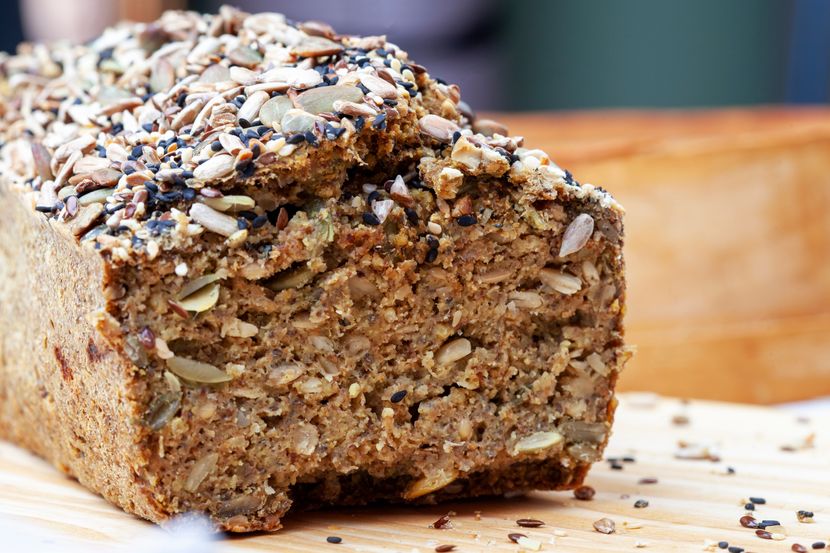
Switching to Whole Grains: Just 3 Extra Slices of Bread a Day Cuts Hypertension Risk by 14%

Summary
- High intake of whole grains reduces the risk of high blood pressure by 26%.
- Every additional 90g of whole grains daily further reduces risk by 14%.
- Whole grains improve insulin sensitivity, support gut health, and reduce inflammation.
- Refined grains show no beneficial effects on blood pressure.
- Choose 100% whole grain products for cardiovascular benefits.
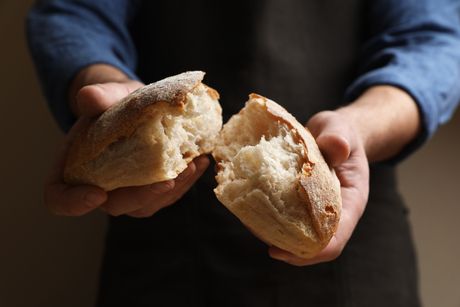
Years of diet culture have contributed to bread's bad reputation. Often labeled as "fattening," many view bread as something to avoid for the sake of health or weight loss. However, scientific studies do not support this blanket elimination. In fact, research indicates that certain types of bread can have significant positive effects on blood pressure and cardiovascular health.
Whole Grains and Hypertension
A comprehensive systematic meta-analysis published in 2025 (in the journal Scientific Reports) processed data from 9 well-known cohort studies involving more than 182,000 participants. These recent findings provide some of the strongest evidence to date:
- Risk Reduction: High intake of whole grains is associated with a 26% lower risk of developing high blood pressure.
- The Power of Quantity: For every additional 90g per day (about 3 slices of whole grain bread), there is an additional 14% risk reduction.
- Whole vs. Refined: Unlike whole grains, refined grains (white flour) showed no beneficial association with blood pressure.
The Science Behind the Success
Why are whole grains so effective? It comes down to three biological mechanisms:
- Dietary Fiber: Improves insulin sensitivity and promotes satiety, helping to maintain a healthy body weight.
- Microbiome Support: Fibers feed beneficial gut bacteria, which ferment them into short-chain fatty acids (SCFAs). These metabolites reduce systemic inflammation and support blood vessel function.
- Antioxidants: The grain's outer shell contains phytochemicals that reduce oxidative stress, protecting the delicate lining of your arteries.
Practical Strategies for Your Daily Diet
Switching from refined to whole grains is a small change with massive benefits:
- The 100% Rule: Choose bread labeled as 100% whole grain rather than just "multigrain" or "wheat."
- Diverse Grains: Include oats, barley, quinoa, buckwheat, and whole grain pasta in your rotation.
- Gradual Transition: Start slowly to allow your digestive system to adjust to the increased fiber content.
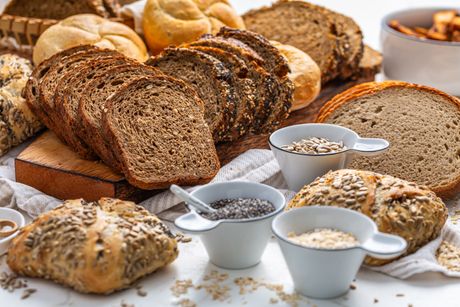
Recipe: Homemade Seed-Crusted Whole Grain Bread
This nourishing bread is rich in healthy fats and fiber.
Ingredients (for 2 loaves):
- 500 ml lukewarm water
- 30 g fresh yeast
- 15 g salt & 20 g sugar
- 700 g whole wheat flour (or a mix with spelt)
- 30 g each: sunflower, pumpkin, sesame, and flax seeds
- 2-3 tbsp olive oil
Procedure:
- Toast the Seeds: Briefly toast the sunflower, pumpkin, and sesame seeds in a dry pan for 1-2 minutes for extra flavor.
- Dissolve the Yeast: In a deep bowl, stir the lukewarm water, salt, sugar, and yeast until dissolved.
- Knead: Add the flour and knead the dough for about 3 minutes. Add the toasted seeds and olive oil, then knead for another 5 minutes.
- First Rise: Shape the dough into a ball, cover with film, and let it rise in a warm place for 1 hour.
- Second Rise: Briefly knead again and let it rise for another 30 minutes.
- Shape and Ferment: Divide the dough into two parts. Roll each piece into a loaf and place into oiled baking molds. Cover and let rise for a final 60 minutes.
- Bake: Bake at 200 °C for about 40 minutes. Pro tip: Place a tray with one cup of water at the bottom of the oven for the first 10 minutes to create steam for a better crust.
- Cool: Allow the bread to cool completely before slicing.
Bread should not be viewed as an enemy. On the contrary, choosing whole grain bread over white is one of the tastiest ways to support your cardiovascular system. By providing your body with the fiber and antioxidants it needs, you are turning a simple sandwich into a long-term win for your health.
Related news

Chia Seeds: Ancient Superfood Offers Heart, Brain, and Blood Sugar Benefits Backed by Research
Did you know olives can help lower cancer risk, support heart health, and boost brain power? Heres how
How to Cook the Best Meal for a Healthy Gut: In the Kitchen with a Renowned Expert
Why Adding a Cup of Strawberries to Your Diet Could Transform Your Cardiovascular Well-being
Plant Based House reserves all rights to the content. For downloading content, see instructions on the Terms of Use page.