Forget Oranges: This Underrated Fruit Has More Vitamin C and Acts as a Powerful Prebiotic

Summary
- Kiwi is rich in fiber and polyphenols, acting as prebiotics to support beneficial gut bacteria.
- Kiwi provides more Vitamin C than an orange, supporting immune health.
- Kiwi contains lutein and zeaxanthin for eye protection and actinidin for digestive efficiency.
- Kiwi may help neutralize food toxins like acrylamide, improving liver and gut health.
Dr William Li, a renowned nutrition expert and scientist known for his extensive research on how food affects physiological and biochemical processes, recently shared insights on the significant benefits of daily kiwi consumption. His work emphasizes how simple dietary choices can be a powerful tool in disease prevention and overall health optimization.
Rapid Improvements in Gut Microbiome
In an interview, Dr Li addressed the common question of how quickly one can improve gut health. He explained that positive changes in the digestive system do not necessarily require a vast array of supplements or probiotics. Instead, a more effective and natural approach begins with regular fruit consumption.
According to Dr Li, eating foods rich in fiber and polyphenols—both of which act as prebiotics—positively influences the microbiome (beneficial gut bacteria). He emphasized that these changes can occur incredibly fast. "Human research shows that eating even just one kiwi a day can improve the state of the microbiome within 24 hours," Dr Li noted. While gut damage can occur quickly, the recovery process can be just as rapid when supported by the right nutrients.
Why Prebiotics Matter More Than Probiotics
A common misconception in gut health is the over-reliance on probiotic supplements. While these preparations introduce beneficial bacteria, they can only survive and thrive if the environment is supportive. Without sufficient fiber and polyphenols (prebiotics) from plant-based foods, introduced bacteria cannot survive in the large intestine. Introducing probiotics into a low-fiber diet is often compared to sending an army into a desert without food or water—they are effectively condemned.
8 Key Health Benefits of Kiwi
Beyond its impact on the gut, kiwi is a nutritional powerhouse with several evidence-based advantages:
- Immune Support: One kiwi contains more Vitamin C than an orange, providing nearly 100% of the recommended daily intake.
- High Fiber Content: With about 3g of fiber per 100g, it aids digestion, regulates blood sugar, and supports heart health.
- Cardiovascular Health: The potassium in kiwi helps regulate blood pressure, while its fiber helps lower LDL cholesterol.
- Eye Protection: Kiwi is rich in lutein and zeaxanthin—antioxidants that protect the eyes from age-related macular degeneration.
- Digestive Efficiency: It contains actinidin, a unique enzyme that helps break down proteins, making digestion more efficient.
- Better Sleep Quality: Kiwi is a rare fruit that contains high levels of serotonin, a neurotransmitter that influences mood and improves sleep quality.
- Nutrient Density: At only 40–60 calories per fruit, it offers exceptional nutritional value without excess calories.
- Folate-Rich: Kiwi is an excellent choice for supporting fetal development during pregnancy.
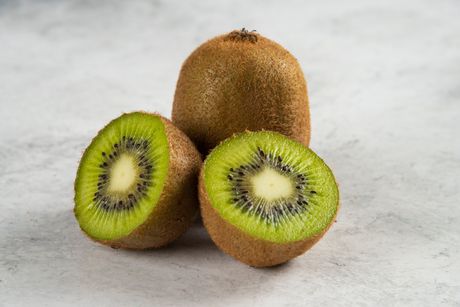
Benefits of Kiwi, According to People Online
Across health forums and communities, many people report noticeable benefits from eating kiwi regularly. In discussions among people with IBS and chronic constipation, several users describe going from irregular bowel movements to daily, more comfortable digestion after adding one or two kiwis per day, often noting that symptoms return when they stop. Others share unexpected improvements in sleep quality, with one widely upvoted post describing deeper, more consistent sleep after eating kiwi before bed for several weeks. While experiences vary, the overall sentiment online is that kiwi feels gentler and more effective than many other fiber sources, especially for gut regularity.
Neutralizing Food Toxins
Emerging research suggests that kiwi may even alleviate the toxic effects of acrylamide on the liver and microflora. Acrylamide is a carcinogen often found in baked or fried carbohydrate-rich foods like chips, fries, and certain breads.
Scientific studies (specifically those observing polysaccharides in kiwi) have shown that these fibers can significantly lower toxin levels, improve liver markers, and restore balance to the gut microflora by increasing beneficial bacteria populations.
Ways to Incorporate Kiwi Into Your Routine
While it may sound unusual, even the skin of the kiwi is edible and highly concentrated in fiber and antioxidants. Here are several ways to enjoy this fascinating fruit:
- Morning Boost: Add chopped kiwi to smoothies or as a topping for morning oatmeal.
- Nutritious Snack: Pair kiwi slices with a handful of walnuts or almonds for a balanced energy boost.
- Kiwi Salsa: Combine chopped kiwi, red onion, and tomato with parsley and lemon juice for a refreshing topping on tacos or grilled dishes.
- Plant-Based Parfait: Layer plant-based yogurt with chopped kiwi and crunchy granola.

Kiwi is undoubtedly a fascinating ally for the microbiome and the immune system. However, the key to a healthy diet remains diversity. Including a wide variety of fruits, vegetables, and plant-based foods is the most effective way to ensure a thriving, resilient gut microbiome.
Related news

Double Your Stem Cells: How High-Flavanol Cocoa Boosted Circulation in Heart Patients Over 60
Why Shiitake Mushrooms Are Considered the Secret Weapon of Plant-Based Cooking and How to Make the Most of Them
Start Your Day Right: How Freezer-Friendly Plant-Based Burritos Boost Gut Health and Energy
Recognizing healthier products isn't easy: How to read labels like a pro
Plant Based House reserves all rights to the content. For downloading content, see instructions on the Terms of Use page.