Is Avocado Worth the Hype? Exploring Its Role in Brain, Vision, and Prenatal Wellness

Summary
- Avocado is a nutrient-dense fruit with high potassium, fiber, vitamins B, E, K, and C, and healthy fats like Omega-3, Omega-6, and Omega-9.
- Regular consumption of avocado supports heart health, lowers blood pressure, aids in cancer prevention, assists in weight management, improves brain health, preserves vision, and offers prenatal benefits.
- Avocado can be used in versatile recipes like avocado toast with mushrooms, avocado hummus, creamy avocado pasta, and chocolate avocado mousse.
Some will say that avocado is tasteless and can't understand the fuss about it, while others rave about its culinary versatility and impressive health benefits. The mix of love and hate towards avocado often stems from not knowing the best ways to consume it. When properly prepared, its creamy, silky texture and mild flavor shine, especially when paired with lemon and basic spices.
Avocado - A Peculiar Fruit
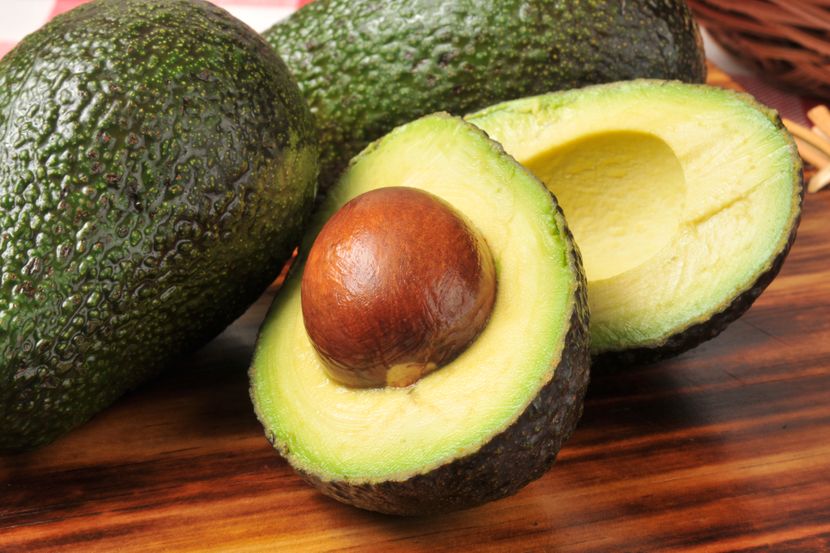
Avocado is an evergreen tropical plant, botanically a fruit, with a very nutritious pear-shaped profile. There are hundreds of varieties, but its nutrition remains its strongest weapon. It contains an abundance of potassium (more than bananas), as well as essential vitamins B, E, K, and C.
Avocado is rich in minerals, including high amounts of magnesium, phosphorus, copper, and manganese. One of its greatest strengths is its high fiber content, which is excellent for digestive health and nourishing beneficial gut bacteria.
Additionally, avocado contains an unusually large amount of fat for a fruit. These are healthy fats, including:
- Omega-3 and Omega-6: Polyunsaturated fatty acids necessary for building cell membranes and nerve function.
- Omega-9: Monounsaturated fats, similar to those found in high-quality olive oil.
While nutrient-dense, it is relatively high in calories (about 160 calories per 100 g), so moderate consumption is advised for those focused on weight loss. However, compared to many processed spreads like cream cheese, avocado offers significantly more nutritional value per calorie.
What Avocado Can Do for Your Health
Scientific research has linked regular avocado consumption to several key health benefits:
- Heart Health: It can reduce the risk of heart disease due to high levels of mono and polyunsaturated fats and fiber.
- Blood Pressure: The high potassium content helps manage and lower blood pressure levels.
- Cancer Prevention: Phytochemicals in avocado have shown potential in destroying certain cancer cells, particularly in leukemia research.
- Weight Management: Studies show steady weight loss and a reduction in visceral fat (the dangerous fat around internal organs) in people who eat avocado daily.
- Brain Health: It is linked to the prevention of neurodegenerative diseases such as Alzheimer's and Parkinson's.
- Vision Preservation: High carotenoid content helps reduce the risk of glaucoma, cataracts, and macular degeneration.
- Prenatal Benefits: High folate and antioxidant levels are linked to better postpartum health and improved quality of breast milk.
Simple and Delicious Avocado Recipes
1. Avocado Toast with "Smoked" Mushrooms
A savory, protein-rich breakfast or snack that replaces traditional meat with flavorful mushrooms.
Ingredients:
- 1 avocado
- 200 g mushrooms or oyster mushrooms
- 1 tbsp soy sauce
- Lemon juice, salt, pepper, garlic powder, and smoked paprika
- Olive oil for sautéing
- Whole grain bread slices
Preparation:
- Make the spread: Mash the peeled avocado in a bowl. Add salt and lemon juice to taste and mix until creamy.
- Prepare the mushrooms: Heat olive oil and sauté coarsely chopped mushrooms. Once browned, add spices and soy sauce. Simmer for 1-2 minutes to caramelize.
- Assemble: Spread the avocado paste on toasted bread and top with the warm mushrooms. Add hot sauce if desired.
2. Avocado Hummus
A vibrant, extra-creamy twist on the classic chickpea dip.
Ingredients:
- 1 avocado
- 1 can chickpeas (drained)
- 1 tbsp tahini (sesame paste)
- Lemon juice, salt, pepper, and garlic granules
Preparation:
- Blend: Place the peeled avocado, chickpeas, and other ingredients in a strong blender or processor.
- Texture: Blend until completely creamy. Add a little water if the hummus is too thick. Serve as a spread or a dip with fresh vegetable sticks.
3. Creamy Avocado Pasta
A quick, plant-based alternative to heavy cream-based pasta sauces.
Ingredients:
- 250 g pasta of choice
- 1 avocado
- A handful of raw cashews (soaked in hot water)
- 1-2 cloves garlic
- Fresh basil, lemon juice, olive oil, salt, and pepper
Preparation:
- Cook: Prepare the pasta according to package instructions.
- Sauce: Blend the peeled avocado, drained cashews, garlic, basil, lemon juice, and olive oil. Add a bit of pasta cooking water to reach the desired sauce consistency.
- Combine: Pour the sauce over the drained pasta and mix. Top with sautéed cherry tomatoes or peas for extra texture.
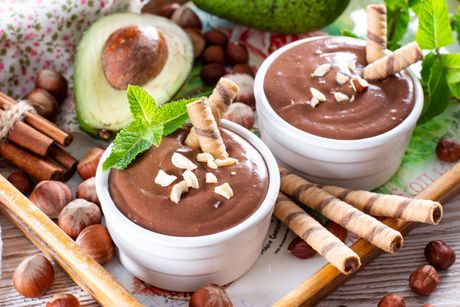
4. Chocolate Avocado Mousse
An indulgent, healthy dessert where the avocado provides a rich texture without any "green" taste.
Ingredients:
- 2 avocados
- 40 g cocoa powder
- 80 g maple syrup (or sweetener of choice)
- 50-60 g plant-based milk
- Vanilla extract and a pinch of salt
Preparation:
- Blend: Combine all ingredients in a blender.
- Finish: Process until completely smooth and creamy. Chill before serving for the best flavor.
By embracing its unique nutritional profile and experimenting with different preparation methods, you can transform the avocado from a controversial fruit into a versatile staple that supports both your heart health and culinary creativity.
Related news

Discover the Secret Ingredients That Make Oatmeal Satisfying, Nutritious, and Never Boring
Why Zucchini Deserves a Place in Every Kitchen: Nutrients, Antioxidants, and Versatile Recipes
Jamie Olivers Vegan Shepherds Pie: How Mushrooms and Miso Recreate Classic British Comfort Food
From Meatless Mondays to lentil Bolognese: Easy strategies to introduce plant-based meals at home
Plant Based House reserves all rights to the content. For downloading content, see instructions on the Terms of Use page.