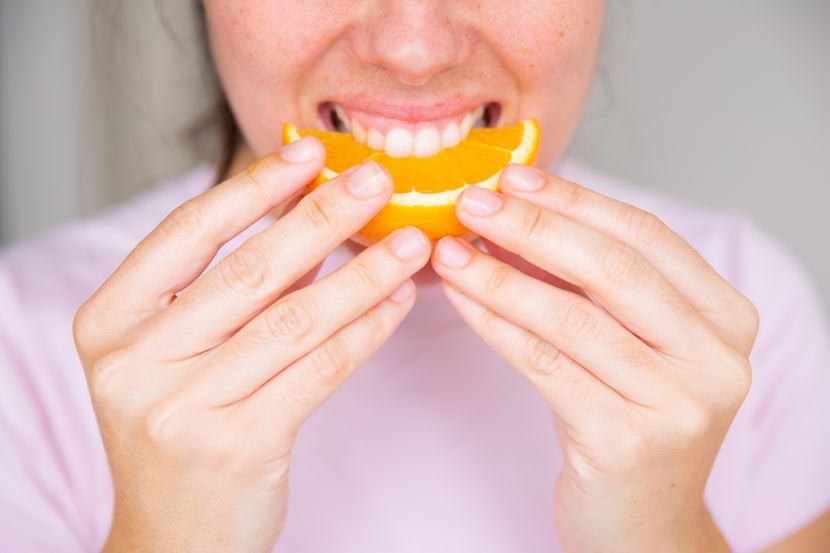
Citrus Antioxidants Linked to 16% Body Fat Reduction in 12 Weeks, Studies Reveal

Summary
- Citrus fruits contain antioxidants naringin, hesperidin, and neohesperidin that aid in weight management.
- These compounds accelerate fat breakdown and inhibit new fat cell formation.
- Citrus bioactives stabilize blood sugar and regulate appetite, improving insulin response.
- Citrus consumption benefits menopause symptoms and lowers health risks for women.
Emerging scientific studies are uncovering how the unique antioxidants in citrus fruits may accelerate fat loss and help control appetite, providing fresh hope for effective weight management.
Key Bioactive Compounds Behind Citrus Benefits
Researchers have pinpointed a trio of antioxidants - naringin, hesperidin, and neohesperidin - that are abundant in citrus fruits such as oranges, grapefruits, lemons, limes, and tangerines. These bioactives are now recognized as powerful contributors to maintaining a healthy body weight. According to experts like Dr William Li, these compounds are thought to play a significant role in the effectiveness of the Mediterranean diet.
Mechanisms of Action: How Citrus Accelerates Fat Burning
The antioxidants in citrus fruits do more than just support the breakdown of existing fat. They also appear to inhibit the formation of new fat cells by influencing genetic regulators.
- Fat Breakdown: In one French study, participants using citrus extracts experienced a sixfold increase in the rate of fat breakdown.
- Body Fat Reduction: Over a 12-week period, individuals reduced their body fat by 16% simply by incorporating these compounds.
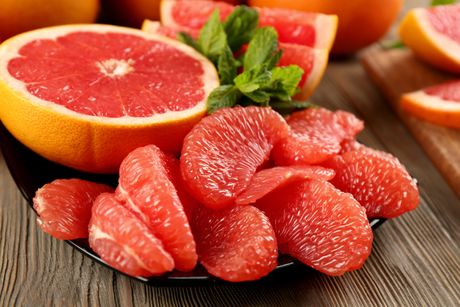
Beyond Fat Loss: Blood Sugar and Appetite Regulation
The positive impact of citrus bioactives extends to metabolic stability. Naringin has been shown to improve how cells respond to insulin, which is critical as insulin resistance often develops with age. By stabilizing blood sugar, citrus can reduce the cravings and appetite spikes that follow rapid glucose changes.
Interestingly, a Spanish placebo-controlled trial found that participants continued to lose weight even after discontinuing the supplements. This suggests that bioactive compounds may trigger lasting changes in fat metabolism.
Hormonal Health and Menopause Support
Citrus fruits appear particularly beneficial for women during menopause. Research referenced by Dr Neal Barnard indicates that regular consumption can:
- Ease menopause symptoms: Specifically reducing the frequency and intensity of hot flashes.
- Lower Health Risks: Potential for a lower risk of developing uterine fibroids.
- Improve Biomarkers: Patients often report better blood sugar control and cholesterol levels within three to six months.

Practical Ways to Incorporate Citrus
To maximize health benefits, opting for whole citrus fruits rather than juices is recommended, as the whole fruit contains a broader spectrum of phytonutrients and fiber.
Effective strategies include:
- Aiming for one to two servings daily (e.g., an orange at breakfast and half a grapefruit later in the day).
- Adding lemon or lime juice to beverages and dressings.
- Including orange segments in salads or breakfast dishes.
- Utilizing the bitter peel (zest), which contains fibers that nourish the microbiome.
By influencing genetic regulators and improving insulin sensitivity, the bioactive compounds in whole citrus fruits offer a scientifically backed strategy for sustained fat metabolism and hormonal balance.
Related news

Why Orzo Is a Greek Kitchen Staple: From Hearty Soups to Fresh Salads and Vegan Casseroles
7 reasons to eat dark chocolate every day: Science has identified these great benefits
Busy Schedule? Try This One-Tray Mediterranean Bowl With Minimal Prep and Easy Clean-Up
Here's what you must have in the kitchen to prepare Mediterranean food full of benefits
Plant Based House reserves all rights to the content. For downloading content, see instructions on the Terms of Use page.