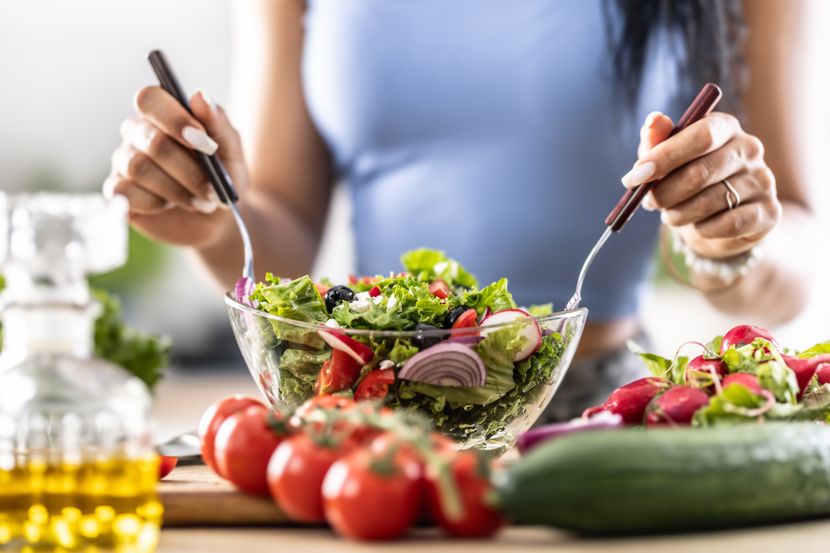
Here's what you must have in the kitchen to prepare Mediterranean food full of benefits

Summary
- The Mediterranean diet emphasizes vegetables, fruits, legumes, whole grains, nuts, and healthy fats like olive oil.
- It significantly lowers risks of cardiovascular events, cognitive decline, and inflammation.
- The diet promotes longevity and natural weight management.
- Meals focus on slow, social dining with minimal red meat and processed foods.
Adopting the Mediterranean approach to eating is widely recognized as one of the best paths to better health and longevity. Rooted in the culinary traditions of countries bordering the Mediterranean Sea, this dietary pattern goes beyond simple food choices—it celebrates a lifestyle centered on wholesome ingredients, vibrant flavors, and the joy of communal dining.
Core Principles: A Lifestyle, Not a Rulebook
Drawing inspiration from the cuisines of Italy, Greece, Spain, the Middle East, and North Africa, the Mediterranean diet is refreshingly flexible. Rather than imposing strict rules or calorie counting, it encourages loading up on vegetables, fruits, legumes, whole grains, and nuts. It prioritizes healthy fats—primarily olive oil—and incorporates moderate amounts of seafood.
Red meat and processed foods are kept to a minimum, while fresh herbs and spices replace heavy sauces and excess salt. Crucially, the "diet" places equal importance on how you eat: slow, social meals enjoyed with loved ones are a cornerstone of this tradition. It is an inclusive, accessible way to improve your health without sacrificing pleasure or flavor.
Why Science Loves It
Decades of research consistently link the Mediterranean diet to a wide array of health benefits:
- Heart Health: It significantly lowers the risk of cardiovascular events like heart attacks and strokes.
- Brain Protection: It offers protective effects against cognitive decline and Alzheimer's disease.
- Inflammation Control: Ingredients like nuts, leafy greens, and olive oil are powerful anti-inflammatories.
- Longevity: Populations following this diet are famous for their vitality well into old age.
- Weight Management: Because it is sustainable and non-restrictive, maintaining a balanced weight becomes a natural side effect rather than a struggle.
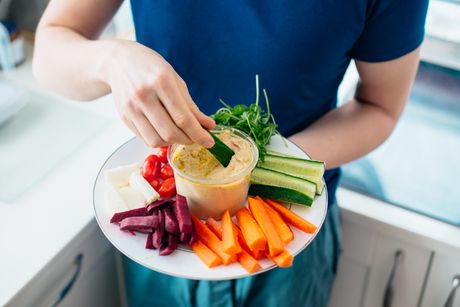
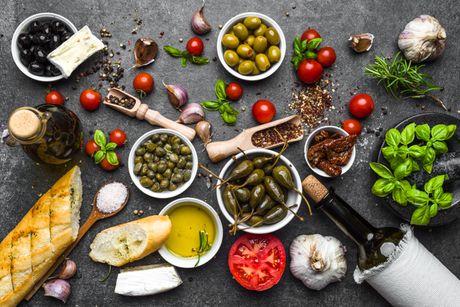
Building Your Mediterranean Pantry
Stocking your kitchen with the right staples makes preparing these meals simple and stress-free. Here is what you need:
- The Foundation: Extra virgin olive oil is non-negotiable—use it for everything from cooking to dressing salads.
- Grains & Legumes: Keep a variety of whole grains (brown rice, barley, farro) and legumes (chickpeas, lentils, beans) on hand.
- Healthy Fats & Crunch: Nuts and seeds—including almonds, walnuts, and sesame tahini—add texture and nutrition.
- Flavor Boosters: Both dried and fresh herbs (oregano, basil, mint) bring depth to dishes without the need for extra salt.
- Pantry Staples: Canned tomatoes and tomato paste for sauces; olives and capers for a burst of brine; garlic and onions for aromatic bases.
- Acids: Vinegar and citrus (lemon juice, red wine vinegar) lend brightness and balance to rich flavors.
- Fresh Additions: Whole grain or sourdough bread pairs perfectly with dips and grilled vegetables. Optional items like plant-based yogurt, feta cheese, sun-dried tomatoes, and roasted peppers can further elevate your meals.
Getting Started
Transitioning to this lifestyle doesn’t require a complete kitchen overhaul. Start small: introduce a few new ingredients, swap butter for olive oil, or aim to eat one more plant-based meal a week. Whether you follow a strictly plant-based diet or simply wish to eat more whole foods, the Mediterranean way offers a diverse menu that proves healthy food can be delicious.
With just a drizzle of olive oil and a handful of fresh herbs, you may rediscover the joy of home cooking and the profound benefits of eating well together.
Related news

Discover the Greek Secret to Satisfying Plant-Based Meals With Fasolakia Stewed Green Beans
Make the best "meatballs" from any type of legumes: This is a universal recipe
How to Save Money and Use Old Bread: Quick Recipes for Every Day
Double Your Stem Cells: How High-Flavanol Cocoa Boosted Circulation in Heart Patients Over 60
Plant Based House reserves all rights to the content. For downloading content, see instructions on the Terms of Use page.