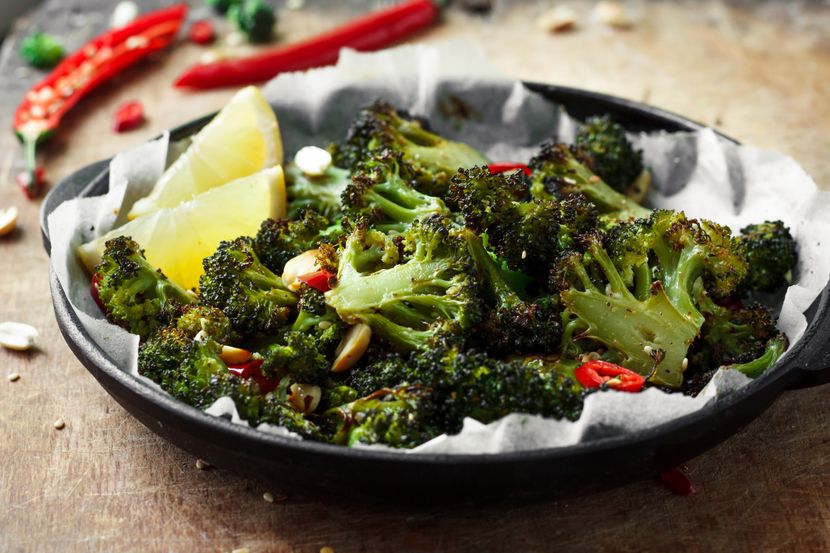
Discover the Chef-Approved Method That Makes Broccoli Irresistibly Flavorful Every Time

Summary
- Broccoli contains essential vitamins C and K, dietary fiber, calcium, and sulforaphane, an antioxidant fighting chronic inflammation.
- Broccoli provides 8.3 g of protein per 100 kcal, comparable to eggs and close to ground beef, with added benefits of zero cholesterol and high fiber.
- Broccoli helps prevent chronic diseases by repairing damaged DNA and contributing to cancer prevention.
- Chefs recommend blanching and roasting broccoli to enhance flavor, using techniques like seasoning with olive oil, salt, pepper, and lemon juice.
When it comes to nutritional value, broccoli is, by all accounts, the king of vegetables. Besides being a true treasure trove of essential vitamins like C and K, dietary fiber, and calcium, it contains the highest amounts of the powerful antioxidant sulforaphane - an indispensable weapon in the fight against chronic inflammation.
However, broccoli has another, lesser-known secret weapon: its impressive protein content.
The Protein Surprise: Broccoli vs. Animal Products
When evaluating the protein content of foods with high water content (like vegetables), it is much more accurate to compare them based on calories rather than weight. Looking at the protein content per 100 kcal, broccoli holds its own remarkably well against traditional animal proteins:
- Ground Beef: Contains 9.3 g of protein per 100 kcal.
- Broccoli: Contains 8.3 g of protein per 100 kcal - matching eggs, but with the massive added benefit of zero cholesterol, high dietary fiber, and powerful antioxidants.
- Eggs: Contain 8.3 g of protein per 100 kcal.
While chicken breast or salmon may contain more protein per 100 kcal overall, broccoli excels by delivering a massive dose of fiber and vitamins while being almost entirely fat-free and cholesterol-free.
A Hero in Disease Prevention
Despite these impressive benefits, most people consume broccoli insufficiently, and some avoid it entirely. Unfortunately, diets lacking in such crucial plant nutrients can leave the body vulnerable to chronic diseases, which are mostly driven by chronic inflammatory processes.
Broccoli acts as a true hero in the fight against this problem. Its compounds actively help the body repair damaged DNA in cells, directly contributing to cancer prevention and long-term cellular health. For those who claim to dislike the taste, the issue usually lies in the preparation rather than the vegetable itself. With the right culinary techniques, broccoli can be prepared in ways that will convert even the biggest skeptics.
Chef-Approved Techniques for Perfect Broccoli
Professional chefs praise broccoli because it offers incredible versatility - whether steamed, baked, or grilled. They emphasize that the result will always be excellent if properly seasoned with salt, pepper, and a splash of fresh lemon juice to brighten the flavor.
Step 1: The Essential Blanching Process
Most chefs agree that the first step to delicious broccoli is always blanching (after cutting it into florets and washing it well). This locks in the vibrant green color and ensures the perfect tender-crisp texture. You can blanch it in two ways:
- Boiling: Plunge the florets into boiling salted water for 1 to 2 minutes.
- Steaming: Steam the florets in a covered pot with a very small amount of water at the bottom until just softened.
Crucial Step: Immediately transfer the blanched broccoli into an ice-water bath to stop the cooking process instantly, or rinse it thoroughly under cold running water in a colander. Drained, blanched broccoli can then be further processed or stored in the fridge for later use.
Step 2: The Ultimate Roasted Broccoli
Many chefs cite roasting as their absolute favorite preparation method, as it brings out a deep, caramelized flavor:
- Halve the previously blanched florets.
- Drizzle generously with olive oil and season with salt and black pepper.
- Spread the florets evenly on a baking sheet lined with parchment paper.
- Roast in the oven at 180–200°C for about 10 minutes.
- Optional: Sprinkle with a little grated cheese and bake for another 1 to 2 minutes until melted.
- Squeeze fresh lemon juice over the top just before serving.
Real Tips from Home Cooks
Online discussions among everyday cooks reveal the exact kind of practical insight your readers will relate to. In a popular thread where people ask “How can I make broccoli taste good?”, users share hands-on techniques that actually work: one highly upvoted tip suggests roasting florets in olive oil, salt, and pepper until charred on the edges - which “brings out that nice potato-chip-like flavor.”
In another thread about broccoli seasoning, commenters recommend simple finishes like lemon juice after roasting, noting that a splash of fresh citrus “cuts bitterness and brightens the flavor,” which helps win over even broccoli skeptics.
Creative Ways to Serve It
In Warm Dishes: Toss blanched broccoli into creamy pasta sauces, vibrant stir-fries, or use it as a hearty topping for soups.
In Fresh Salads: Since broccoli can be eaten raw, finely chop 1 or 2 raw florets and mix them into any salad for a nutritional bomb. It pairs particularly well with sweet corn, legumes, seeds, or dried fruits, providing a wonderful contrast of flavors and textures.
Don't Toss the Stalk: A Zero-Waste Tip
A common professional kitchen trick is to utilize the broccoli stalk. The stalk is entirely edible and equally nutritious, so it is a shame to throw it away. Simply peel the tough outer skin, store the stalks in the fridge, and use them in the following ways:
- Finely chop and mix them into cooked vegetable stews.
- Boil and blend them alongside other vegetables into creamy soups.
- Incorporate them into pasta sauces, homemade hummus, or green pesto.
Related news

Smoky Bean and Tofu Pâté Recipe: A 15-Minute, Protein-Packed Alternative to Processed Meats
Switching to Whole Grains: Just 3 Extra Slices of Bread a Day Cuts Hypertension Risk by 14%
Boost Your Gut Microbiome: The Science Behind Plant Diversity and a Vibrant Stuffed Pepper Recipe
Busy Schedule? Try This One-Tray Mediterranean Bowl With Minimal Prep and Easy Clean-Up
Plant Based House reserves all rights to the content. For downloading content, see instructions on the Terms of Use page.