
30% of people suffer from insomnia: How magnesium-rich plant foods can help you sleep better

Summary
- Around 30% of people suffer from insomnia, and over 60% experience occasional sleep issues.
- Magnesium helps regulate neurotransmitters, reduce stress and anxiety, and relax muscles, all crucial for good sleep.
- Plant-based foods like green leafy vegetables, nuts, seeds, and legumes are excellent magnesium sources.
It is estimated that around 30% of people worldwide suffer from insomnia, while over 60% complain of occasional sleep quality issues. The reasons for sleep problems are complex, involving many influencing factors. However, one frequent culprit can be relatively easily eliminated: magnesium deficiency.
A lack of this essential mineral can significantly affect both the quality and duration of nighttime rest.
Here is how low magnesium levels can jeopardize your sleep:
- Regulation of Neurotransmitters: Magnesium helps maintain optimal levels of GABA, a neurotransmitter crucial for relaxation. Low levels lead to decreased GABA activity, making it harder to switch off and causing early waking.
- Stress and Anxiety: Known as "nature's relaxant," magnesium calms the nervous system. Its deficiency increases the production of cortisol (the stress hormone), heightening feelings of anxiety and restlessness that keep you awake.
- Muscle Relaxation: Magnesium is essential for muscle relaxation. A deficiency often leads to cramps and "restless legs," physically disrupting sleep.
- Melatonin Production: This mineral is involved in regulating the hormone that controls the sleep-wake cycle. Low levels disrupt melatonin production, leading to irregular sleep patterns.
- Insomnia Link: Studies have confirmed a direct link between magnesium deficiency and insomnia. Increasing intake has been shown to improve sleep quality, especially in those with a diagnosed deficiency.
- Sleep Duration: Research suggests that a lack of magnesium can shorten overall sleep time by disrupting the body's internal clock.
- Age-Related Issues: Due to lower dietary intake and reduced absorption efficiency, older adults are more prone to deficiency-related sleep disturbances.
- Inflammation: Magnesium has anti-inflammatory properties. A deficiency supports chronic inflammation and oxidative stress, both of which are associated with poor sleep quality.
- Heart Health: By helping regulate heart rhythm and blood pressure, magnesium prevents cardiovascular discomfort that might otherwise disturb sleep.

The Plant Connection: Why Magnesium is Everywhere in Nature
If we want better sleep, we need to prioritize magnesium. But where is it most abundant? The answer is simple: the plant kingdom.
Why is magnesium so prevalent in plants? Interestingly, magnesium is as essential for plant life as iron is for human life.
Magnesium and iron sit at the center of two key molecules: magnesium is the core of chlorophyll in plants, while iron is the core of hemoglobin in humans. Both play a crucial role in energy production—photosynthesis in plants and cellular respiration in humans. Naturally, a deficiency in these elements has catastrophic effects on the health of both.
Top Plant-Based Sources of Magnesium
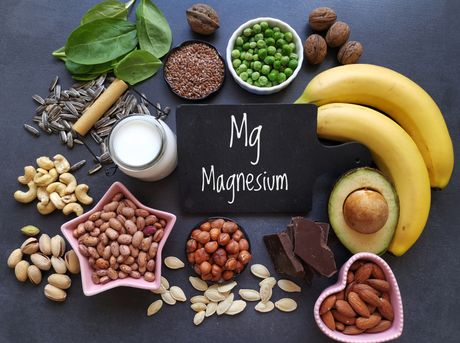
There is no reason to suffer from sleep problems if we strive to include enough plant sources in our daily diet. Excellent sources include:
- Green leafy vegetables: Spinach, chard, kale, bok choy.
- Nuts: Almonds, cashews, Brazil nuts.
- Seeds: Pumpkin seeds, sunflower seeds, chia seeds.
- Legumes: Beans, chickpeas, lentils.
- Whole Grains: Quinoa, brown rice, oats.
- Fruit & Veg: Dried figs, bananas, avocados, artichokes, broccoli, sweet potatoes.
- Soy Products: Edamame, tofu.
- Treats: Dark chocolate.
Note: The recommended daily intake is 320–420 mg. Pregnant women, adolescents, and older adults may have higher needs.
The Key to Intake: Eat More Plants
People who follow a predominantly plant-based diet naturally consume more magnesium. Conversely, a mixed diet high in processed foods, refined carbs, and animal products often lacks this mineral due to industrial processing. Therefore, everyone—especially those on a mixed diet—should consciously include green vegetables, seeds, and nuts daily.
Recipe: Magnesium-Packed Chickpea & Spinach Salad
Here is an idea for a light, nutritious lunch that combines three magnesium powerhouses: chickpeas, baby spinach, and almonds. Serve it with a slice of toasted whole-grain bread topped with pumpkin seed butter for the ultimate magnesium boost.
Ingredients:
- 2–3 handfuls of baby spinach
- 1 can of cooked chickpeas, drained and rinsed
- 7–8 cherry tomatoes, halved or quartered
- 1 small cucumber, sliced or diced
- ½ small red onion, thinly sliced
- 30g roasted almonds, roughly chopped
- Dressing: Olive oil, fresh lemon juice, ½ tsp oregano, salt, and pepper.
Instructions:
- In a large salad bowl, combine the chickpeas, spinach, tomatoes, cucumber, and red onion.
- In a small jar or bowl, whisk together the lemon juice, olive oil, salt, pepper, and oregano to create an emulsion.
- Pour the dressing over the salad and toss well to coat.
- Top with the crushed roasted almonds just before serving to keep them crunchy.
Related news

Make the best "meatballs" from any type of legumes: This is a universal recipe
How to Save Money and Use Old Bread: Quick Recipes for Every Day
How Mung Beans Became a Global Staple: Nutrition, Versatility, and Plant-Based Innovations Explained
Why Shiitake Mushrooms Are Considered the Secret Weapon of Plant-Based Cooking and How to Make the Most of Them
Plant Based House reserves all rights to the content. For downloading content, see instructions on the Terms of Use page.