Why Bread Is the Most Wasted Food: Surprising Stats and Simple Ways to Cut Kitchen Waste at Home

Summary
- Bread is a major contributor to global food waste, especially when it becomes stale.
- Most bread waste occurs at home, wasting valuable production resources like land and water.
- Creative uses for stale bread include making croutons, bread pudding, savory bakes, panzanella, and breadcrumbs.
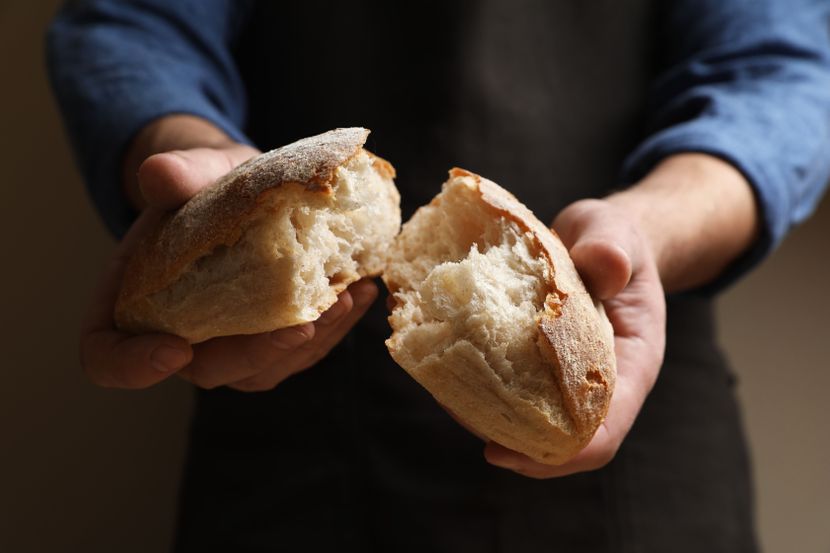
Bread holds a special place on dining tables around the world, making an appearance at almost every meal. Despite its popularity, much of it ends up discarded as soon as it loses its freshness. This common practice contributes significantly to the global food waste problem, with grains—including bread—ranking as the most wasted food group worldwide when measured by caloric content.
Most of this waste occurs at home. People typically throw away bread simply because it has gone stale, not because it has spoiled or molded. This habit wastes not only food but also the valuable resources invested in its production, such as land and water. Preserving and repurposing leftover bread is an essential step toward greater food appreciation and responsibility.

The Environmental and Social Impact
Scientific research identifies bread as a key target for reducing food waste. Strategies that focus on minimizing discarded food and promoting a shift toward more plant-focused eating patterns are considered highly effective in cutting greenhouse gas emissions tied to food systems. Even small changes, like finding new uses for stale bread, can make a meaningful difference. By getting creative with leftovers, individuals can cut down on waste, save money, and show greater respect for the food on their plates.
Delicious Ways to Revive Stale Bread
Stale bread doesn’t have to end up in the trash. With a bit of ingenuity, it can be transformed into flavorful dishes that highlight plant-based ingredients:
- Homemade Crispy Croutons: Ideal for adding texture to salads and soups, or simply for snacking. Cube the bread, toss it with olive oil, salt, pepper, and your favorite dried herbs, then bake until crisp and golden.
- Sweet Bread Pudding: A comforting dessert treat. Tear the bread into pieces and soak it in a mixture of plant-based milk, maple syrup (or brown sugar), vanilla, and cinnamon. Once the liquid is absorbed, bake until set and serve with fruit or a berry sauce.
- Savory Bread Bake: A perfect way to utilize both bread and leftover vegetables. Combine bread pieces with sautéed vegetables, bind everything with a mixture of plant milk and chickpea flour, season well, and bake until golden.
- Panzanella: This Italian bread salad gives new life to old loaves by mixing toasted bread chunks with tomatoes, cucumber, onion, and fresh basil. Add olive oil, vinegar, salt, and pepper, then let the flavors meld before serving.
- Homemade Breadcrumbs: Easily made by drying and grinding bread pieces. These can be stored and seasoned to taste, serving as a superior alternative to store-bought options.
- Reviving Rolls: For hard rolls, flatbreads, or buns, a simple trick is to wrap them in a damp cloth and gently heat them in the oven to restore their softness.
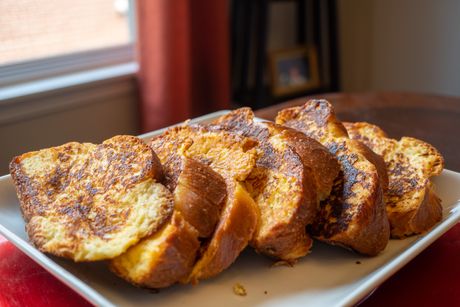
By finding creative uses for old bread, households can reduce waste, lower their environmental impact, and make the most of their resources—all while enjoying tasty, plant-based meals.
Related news

Make the best "meatballs" from any type of legumes: This is a universal recipe
How to Save Money and Use Old Bread: Quick Recipes for Every Day
How Mung Beans Became a Global Staple: Nutrition, Versatility, and Plant-Based Innovations Explained
Why Shiitake Mushrooms Are Considered the Secret Weapon of Plant-Based Cooking and How to Make the Most of Them
Plant Based House reserves all rights to the content. For downloading content, see instructions on the Terms of Use page.