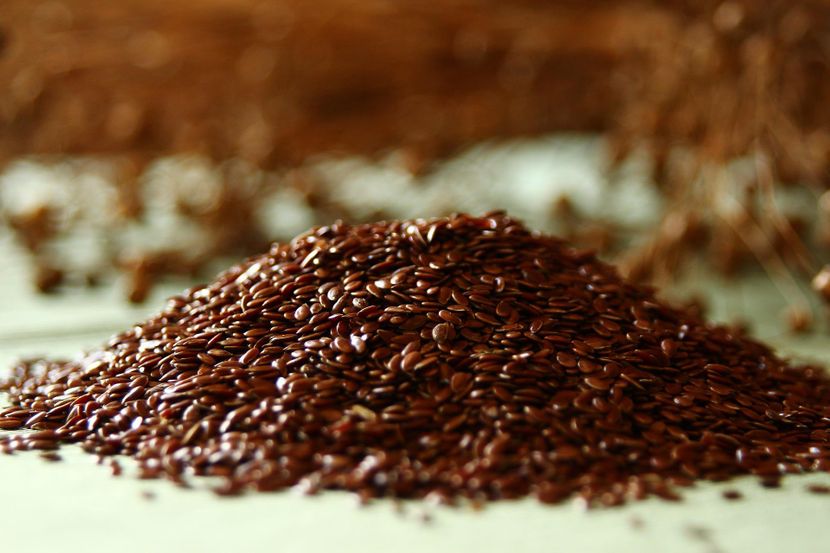
The Nutritional Champion from the Shadows: Humble Flaxseeds Bring 5 Great Benefits

Summary
- Flaxseeds are a rich source of lignans, providing 75 to 800 times more than other plants, and act as antioxidants and phytoestrogens.
- Flaxseeds contain 2.3g of ALA per tablespoon, an essential omega-3 fatty acid, beneficial for those not consuming fish.
- Flaxseeds offer anticancer properties, potentially enhancing chemotherapy effectiveness and reducing breast cancer cell growth.
- Flaxseeds support heart health by lowering cholesterol, blood pressure, and reducing waist circumference.
- Flaxseeds aid mental health, inflammation reduction, and type 2 diabetes management by stabilizing blood sugar and improving insulin sensitivity.
The flax plant, with its delicate blue flowers, produces small pods containing seeds that have been a staple of agriculture for millennia. Flax is one of the oldest crops known to humanity. Today, it is primarily grown in Russia, India, and Europe, serving both as a nutrient-dense food and a raw material for linen fabric.
In stores, you can generally find two types of flax: brown and golden. Besides the color difference, they differ slightly in their nutritional profile. Specifically, alpha-linolenic acid (ALA)—an essential omega-3 fatty acid—makes up 59% of the fat content in brown flax, compared to 51% in golden flax.
What Makes Flaxseeds Nutritional Champions?
Just one tablespoon of flaxseeds is packed with 1g of protein, 3g of fiber, an abundance of B vitamins, and significant amounts of magnesium, manganese, and phosphorus. However, their true power lies in two specific components:
1. Lignans (Antioxidants & Phytoestrogens)
Flaxseeds are the richest known source of lignans, a type of polyphenol with powerful antioxidant activity. While lignans are found in many fiber-rich plants (grains, legumes, vegetables, fruits), flaxseeds contain 75 to 800 times more than other sources.
These compounds act as phytoestrogens, meaning their behavior depends on the body's biological estrogen levels:
- Normal Estrogen Levels: Lignans act antagonistically (blocking excess estrogen).
- Low Estrogen Levels (e.g., Menopause): They act as a weaker estrogen, helping to balance hormones.
This mechanism helps prevent breast cancer. For instance, lignans inhibit the aromatase enzyme in adipose tissue, reducing estrogen production—a key factor in lowering breast cancer risk in obese women.
2. Omega-3 Fatty Acids (ALA)
With about 2.3g of ALA per tablespoon, flaxseeds are the best source of healthy fats for those who do not consume fish. While they lack EPA and DHA (the other two critical omega-3s), the body can convert a small amount of ALA into these forms, though efficiency varies by individual.
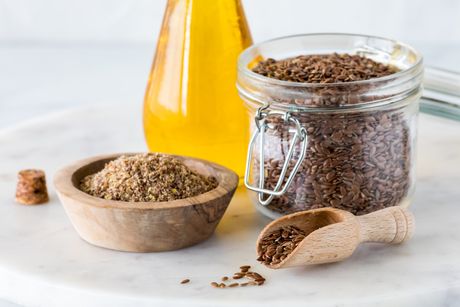
5 Main Health Benefits of Flaxseeds
Anticancer Activity - Lignans exhibit anti-estrogen activity by binding to cancer cell receptors, potentially preventing their spread. Studies suggest that ALA from flaxseeds can reduce the growth rate of breast cancer cells and promote cell death. One study notably found that using flaxseeds alongside chemotherapy improved the effectiveness of the treatment compared to chemotherapy alone.
Protection for Heart Health - High cholesterol, high blood pressure, and atherosclerosis are major risk factors for heart attacks and strokes. Flaxseeds tackle all three:
- Cholesterol & Waistline: A study on patients with high blood lipids found that adding 36g of flaxseeds daily for 8 weeks reduced waist circumference, triglycerides, and LDL (bad) cholesterol.
- Blood Pressure: A meta-analysis confirmed that consuming about 30g (3-4 tablespoons) daily for at least three months effectively lowers blood pressure.
Mental Health & Depression Support - Since omega-3 fatty acids are highly active in the brain, they play a role in mental health. A study involving 60 women with depression found that a daily dose of 1000 mg of flaxseed oil (twice daily for 10 weeks) significantly reduced depression symptoms. It also increased BDNF (brain-derived neurotrophic factor), a protein vital for learning, memory, and brain health.
Anti-Inflammatory Effects - Both omega-3s and lignans help alleviate systemic inflammation. This is particularly beneficial for autoimmune conditions like rheumatoid arthritis and lupus. In obese individuals, flaxseed consumption has been shown to reduce CRP, a key marker of inflammation.
Managing Type 2 Diabetes - Flaxseeds help stabilize blood sugar and improve insulin sensitivity. In one study, obese diabetic patients suffering from constipation were given a cookie containing 10g of ground flax twice a day. After 12 weeks, they experienced relief from constipation, weight loss, and improved blood sugar and lipid levels compared to the placebo group.
How to Use Flaxseeds for Maximum Benefits
- Grind Them: Whole seeds often pass through the digestive system intact, meaning you miss out on the nutrients. Ground flax is the best way to ensure absorption.
- Freshness Matters: Once ground, flax spoils (oxidizes) quickly. It is best to buy whole seeds and grind them as needed in a coffee grinder. Store ground flax in a jar in the refrigerator.
- Culinary Uses: Add ground flax to smoothies, oatmeal, yogurt, salads, or baked goods like bread and muffins.
- The "Flax Egg": Ground flax is an excellent egg substitute for vegan baking. Mix 1 tablespoon of ground flax with 3 tablespoons of water. Let it sit for a few minutes until it forms a gel—this replaces one egg in recipes.
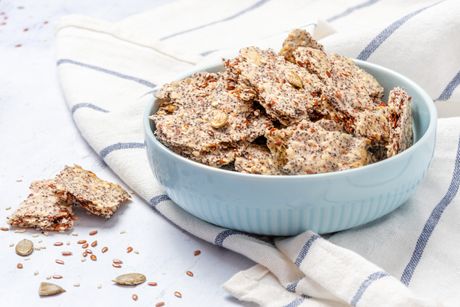
Recipe: Simple Two-Ingredient Flax Crackers
If you want to experience the benefits of flaxseeds immediately, this recipe is the perfect starting point. It is gluten-free, simple, and adaptable.
Ingredients:
- Ground flax: 130g
- Sesame seeds: 4 tablespoons (can be swapped for chia seeds)
- Salt: ½ teaspoon
- Spices (Optional): Rosemary, oregano, cumin, garlic powder, etc.
- Water: ½ cup (approx. 130g)
Preparation:
- Mix: Preheat the oven to 180°C. In a bowl, combine ground flax, sesame seeds, salt, and spices. Add water and knead by hand until a dough ball forms.
- Roll Out: Place the dough ball between two sheets of baking paper. Using a rolling pin, roll over the paper until the dough is as thin as possible (about 2mm).
- Cut: Remove the top sheet of paper. Use a knife or pizza cutter to slice the dough into squares. Prick each square with a fork to ensure even baking.
- Bake: Transfer the baking paper with the dough onto a baking sheet. Bake for about 20 minutes, checking occasionally to ensure they become crispy without burning.
Enjoy these healthy crackers with hummus or your favorite dip!
Related news

Double Your Stem Cells: How High-Flavanol Cocoa Boosted Circulation in Heart Patients Over 60
Did You Know? The Color in Eggs and Salmon Comes From Plants, Not Animals-Heres How It Works
Discover the Stovetop Spinach and Tofu Pie: Quick, Healthy, and Ready in Under 20 Minutes
Did you know olives can help lower cancer risk, support heart health, and boost brain power? Heres how
Plant Based House reserves all rights to the content. For downloading content, see instructions on the Terms of Use page.