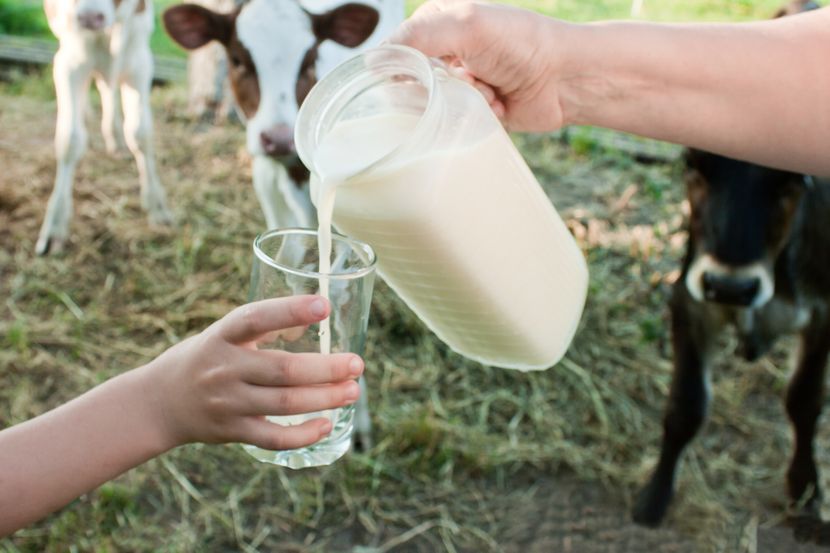
Influencers push raw milk as healthier-experts warn of deadly risks and appeal to nature fallacy

Summary
- Raw, unpasteurized milk can contain harmful bacteria like E. coli and Campylobacter, leading to severe illness or death.
- A Florida family suffered tragedy after consuming contaminated raw milk, resulting in the death of a child and a miscarriage.
- Pasteurization eliminates harmful pathogens without significant nutrient loss and is a crucial safety measure.
- The "natural is better" fallacy can lead to dangerous health decisions, as seen in cases involving raw milk.
In the era of social media, "wellness" trends cross borders faster than ever. One such trend is the resurgence of raw, unpasteurized milk, recently marketed in the U.S. as a healthier, "more natural" alternative to industrial milk.
However, this is a textbook example of the "appeal to nature" fallacy—the belief that anything unprocessed is inherently superior. Unfortunately, nature doesn't always work in our favor. "Natural" does not automatically mean safe.
A Tragedy in Florida
In August of last year, America was shaken by a heartbreaking tragedy involving a young family in Florida. A mother and her two-year-old son became seriously ill after consuming raw milk from a local farm.
The consequences were devastating. The mother, who was 20 weeks pregnant, was hospitalized with sepsis and tragically lost her baby, barely surviving herself. Her two-year-old son also died in the hospital. Today, the grieving family is suing the farm that produced the unpasteurized milk, which was found to be contaminated with E. coli and Campylobacter—dangerous bacterial agents.
This is not an isolated case. In the U.S. alone, there have been dozens of outbreaks directly linked to raw milk over the last decade, most often affecting children.
Why Is Raw Milk Risky?
Raw milk can harbor harmful bacteria such as Salmonella, E. coli, Listeria, and Campylobacter. These pathogens do not affect the taste or smell of the milk but can cause serious, even fatal, illnesses. Small children, pregnant women, the elderly, and people with compromised immune systems are especially at risk.
Pasteurization is simply a process of heating milk to a specific temperature to eliminate these pathogens without significant nutrient loss. It is not a "chemical process," but a proven safety measure that saves lives.
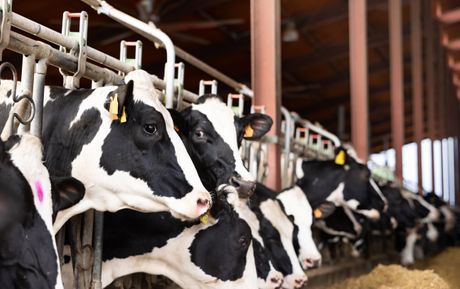
The "Natural Is Always Better" Fallacy
This tragedy serves as a harsh lesson in critical thinking. People often equate "natural" with "healthy" and "industrial" with "harmful." This is a psychological trap that can lead to dangerous decisions.
Consider these real-life examples:
- Wild Mushrooms: They are entirely natural, yet many species are deadly.
- Spring Water: It looks pure, but it can contain parasites and bacteria.
- Poisonous Plants: Nature is full of plants that are toxic to humans.
Science and public health regulations exist precisely to protect us from these natural risks.
Why Do We Trust Influencers Over Experts?
Social media has a massive impact on our health decisions. Many influencers—particularly in "carnivore" circles or among so-called "biohackers"—fuel conspiracy theories, claiming that "the truth is hidden from consumers." They actively encourage distrust in official medicine.
The problem is that influencers bear no responsibility for public health. Their controversial stories bring them clicks and revenue, but they offer no guarantees of safety to their followers. A prime example is Paul Saladino (paradoxically a doctor), who has used his platform to encourage people to buy raw milk as a "healthier option."
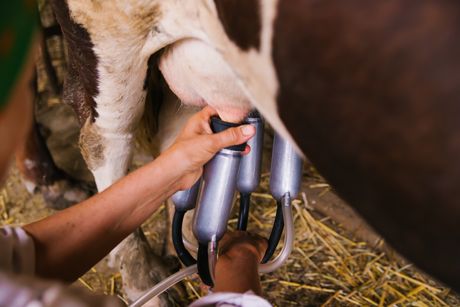
Real-Life Nightmares: The Human Cost of the Trend
While influencers debate the "benefits" of raw milk, real families are living through nightmares that expose the brutality of this trend. Just days ago, a discussion erupted on Reddit regarding a horrifying outbreak in Idaho, where nine people were hospitalized after drinking raw milk from a local dairy (R Bar H). The comments on the thread reflect a mix of shock and fury, especially concerning the youngest victims: two children currently battling Hemolytic Uremic Syndrome (HUS), a condition that causes kidney failure. As one user poignantly noted, parents are often misled by "natural" marketing, only to face the devastation of watching their child undergo dialysis for a preventable illness.
The tragedy deepens with news from New Mexico, where a newborn baby recently died from listeria, contracted after the mother consumed raw milk during pregnancy. Online communities were quick to point out the regulatory gap highlighted in these reports: in some states, raw milk is sold legally without any requirement to test for deadly pathogens like E. coli or Campylobacter. As the online consensus shifts from curiosity to horror, the prevailing sentiment is best summarized by a viral comment: "It isn't worth a body count just for a creamier taste".
How to Avoid the Trap
- Check the Facts: Don't let a charismatic influencer guide your health choices. If something claims to be healthy just because it’s "natural," ask yourself: Is there scientific proof?
- Demand Evidence: A combination of natural ingredients is not a guarantee of safety. Ingredients can interact in the body and cause adverse effects if not tested together.
- Ask: Who Is Responsible? When advice comes from social media, the influencer faces no consequences if things go wrong. Doctors and scientists do.
- Use Common Sense: If advice sounds extreme (e.g., "this is a forbidden secret" or "they are hiding the truth"), treat it as a red flag.
The Florida tragedy reminds us that blind faith in nature can have fatal consequences. Yes, we should strive for whole, less processed foods—but that does not mean ignoring proven science and safety standards. The real strength of a healthy life lies not in blindly trusting nature, but in combining the natural with the scientifically proven.
Plant Based House reserves all rights to the content. For downloading content, see instructions on the Terms of Use page.