Why Selenium Deserves Attention: The Antioxidant Mineral That Shields Cells and Supports Immunity

Summary
- Selenium is vital for cell protection, immunity, and other key body functions, but is often overlooked compared to minerals like iron and calcium.
- Plant-based diets can provide adequate selenium if carefully planned, with Brazil nuts, legumes, grains, seeds, and mushrooms as notable sources.
- Both deficiency and excess of selenium can cause health issues, including fatigue, weakened immunity, and, in severe cases, nervous system problems.
The Essential Role of Selenium in the Body
Though often overshadowed by minerals such as iron and calcium, selenium is an indispensable nutrient our bodies need in small amounts. Its primary contributions include bolstering immune defenses and shielding cells from oxidative stress. Through its involvement in producing selenoproteins, selenium aids in critical processes such as DNA formation, thyroid hormone balance, and protection against cellular damage.
Research suggests that selenium’s antioxidant and anti-inflammatory properties might help reduce the risk of heart disease and certain autoimmune conditions, making it a mineral not to be underestimated.
Reader reactions and scientific caution
Nutrition articles frequently receive conflicting interpretations. Several readers express confusion that health advice seems to change over time. Others applaud caution but note that observational studies show associations rather than causation and that only randomised controlled trials can determine whether supplements help or harm. Highlighting these reactions emphasises the need for evidence‑based recommendations and clear communication about uncertainty.
Selenium and Plant-Based Eating: Is It Enough?
For those following a plant-based lifestyle, ensuring adequate selenium intake demands attention. The mineral’s level in foods varies significantly, depending mostly on the amount present in the soil where plants are grown. As a result, two seemingly identical foods may have widely different selenium levels.
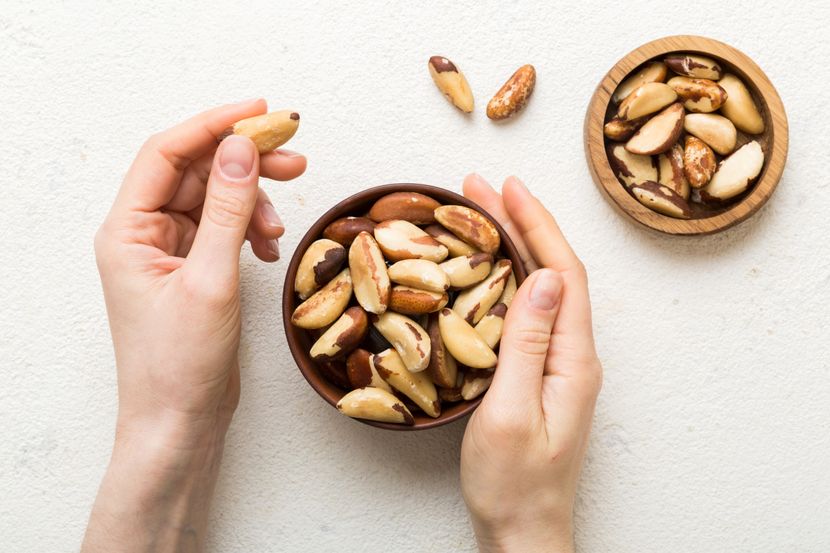
Among plant sources, the Brazil nut stands out, with just one Brazil nut potentially supplying the entire daily requirement. However, intake should be limited to 1–2 nuts a day, no more than a few times a week to avoid excess.
Other good sources include legumes and grains, such as lentils, brown rice, oats, couscous, barley, basmati rice, and whole grain bread and pasta. Seeds and nuts like sunflower seeds, sesame, flax, chia, pecan nuts, and pistachios offer smaller amounts but still contribute. Portobello and other mushrooms supply roughly 13 μg per serving, making them a useful addition to soups or sandwiches.
Additional foods that support selenium intake are tofu, white beans and baked beans, bananas (about 2 μg per cup), and soy milk. These can all be incorporated into a varied plant-based diet.
Recognizing Deficiency and Overconsumption Risks
Selenium deficiency isn’t always obvious, with symptoms that can mimic other health concerns. Warning signs include fatigue, mental sluggishness, low immunity, brittle nails and hair loss, muscle weakness, and fertility issues in both genders. In severe cases, insufficient selenium may contribute to heart muscle problems or worsen autoimmune disorders.
Excess intake is equally risky. The upper intake limit is 450 μg per day; surpassing this consistently can trigger selenosis, characterized by symptoms such as hair loss, garlic-like breath, nausea, nail problems, and even serious nervous system issues.
Given the potency of Brazil nuts, moderation is key to maintaining safe selenium levels.
Smart Choices for Optimal Selenium
To ensure sufficient selenium on a plant-based regimen, it’s crucial to select foods wisely. Occasional Brazil nuts, an array of legumes, grains, mushrooms, and seeds can together help meet daily needs. By staying mindful of both sources and limits, most people can maintain healthy selenium intake without resorting to supplements.
Related news

Groundbreaking Study Shows Plant-Based Diet Cuts Mortality by Up to 24% for Chronic Disease Patients
Plant-based diets proven most effective at reducing TMAO-outperforming drugs and supplements
Plant Based House reserves all rights to the content. For downloading content, see instructions on the Terms of Use page.