Skip the Numbers, Focus on Snacks: Expert's Simple Tips for Better Weight Control and Metabolism

Summary
- Tim Spector criticizes calorie counting as ineffective and counterproductive for weight loss.
- Biological factors, such as individual biology and gut bacteria, affect calorie absorption and metabolism.
- Food quality, not just calorie count, is crucial ultra-processed foods lead to overeating and weight gain.
- Caloric restriction triggers hormonal changes that increase hunger and slow metabolism, making weight loss difficult to maintain.
Genetic epidemiologist Tim Spector, renowned for his research into nutrition and the microbiome, has expressed strong criticism of calorie counting as a weight loss strategy.
Drawing on years of scientific study, including twin research and investigations into gut health, Spector argues that focusing on numbers is not only ineffective but often counterproductive for those hoping to shed pounds and keep them off.
Why Calorie Counting Falls Short
Spector contends that although the "calories in, calories out" model appears logical, the biological reality is far more complex.
He points to the high percentage of adults in developed countries—nearly half—who attempt dieting annually, often with disappointing results. While many experience short-term weight loss, most regain the weight, sometimes even exceeding their starting point. This cycle, he says, leads to misplaced self-blame, when the real problem is the method itself.
The Flaws in the System:
- Inaccurate Labels: Food labels and restaurant menus are frequently unreliable, causing individuals to underestimate their intake.
- Bio-Individuality: The body absorbs calories from the same foods differently from person to person, influenced by individual biology, gut bacteria, and even the time of day. This means that even meticulous calorie tracking cannot guarantee accurate results.
The Critical Role of Food Quality
According to Spector, calorie counting overlooks the most important factor: food quality.
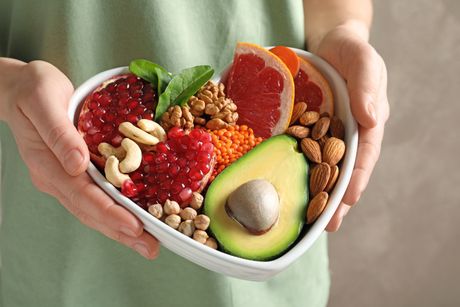
He notes that two foods with identical calorie counts—such as a burger and an equivalent amount of avocado—can have drastically different effects on metabolism and health.
The Ultra-Processed Food Trap: To illustrate this, Spector references a major scientific study where participants were offered two diets matched in calories, macronutrients, fiber, sugar, and salt. One group ate ultra-processed foods, while the other ate home-cooked, whole meals. The catch? Participants were allowed to eat as much as they wanted. Despite rating both diets as equally enjoyable, those on the ultra-processed diet involuntarily consumed about 500 more calories per day and gained an average of 1.8 kg in just two weeks.
Spector asserts that ultra-processed foods encourage rapid consumption and overeating, while unprocessed meals support better appetite regulation and weight control.
Hunger, Metabolism, and the Body's Defenses
The body's survival mechanisms make calorie restriction especially difficult to maintain. Spector explains that caloric deprivation triggers hormonal changes that increase hunger while simultaneously slowing down the metabolic rate to conserve energy.
These biological defenses make sustained weight loss through calorie counting nearly impossible for most people. Studies show that even with professional support, long-term maintenance of weight loss on calorie-restricted diets is rare after two years.
Practical Advice: Focus on Snacking
While Spector acknowledges that lasting weight loss is challenging and no universal solution exists, he offers a practical starting point: change how you snack.
He emphasizes that snacks can account for about a quarter of daily energy intake. His research indicates that even people who eat healthy meals often choose less nutritious snacks, which correlates with increased hunger, higher blood sugar, and increased abdominal fat.
Spector’s Key Tips:
- Avoid: Processed and packaged foods, including those labeled as "low-calorie," "high protein," or "added vitamins."
- Choose: Whole foods like fruits, nuts, and seeds. These support satiety, gut health, and metabolic stability.

Professor Tim Spector's findings challenge the traditional approach to dieting. He urges a shift in focus from calorie numbers to food quality, specifically highlighting the elimination of ultra-processed foods as the most promising path to achieving and maintaining a healthy weight.
Related news

Volumetrics Diet Reveals You Can Lose Weight by Eating More: The Science Behind Feeling Full Longer
Groundbreaking Study Shows Plant-Based Diet Cuts Mortality by Up to 24% for Chronic Disease Patients
How a 30-Minute Walk or 40 Minutes of Intense Exercise Can Boost Your Brains BDNF Levels by 32%
Plant-based diets can double natural GLP-1 levels-could fiber be the secret to lasting weight control?
Plant Based House reserves all rights to the content. For downloading content, see instructions on the Terms of Use page.