The Best Way to Pick and Store Pomegranates for Maximum Flavor During the Chilly Months

Summary
- Winter dishes often feature rich, heavy ingredients.
- Pomegranates add color, texture, and freshness to meals.
- Proper selection and storage extend pomegranate freshness.
Brightening Winter Meals
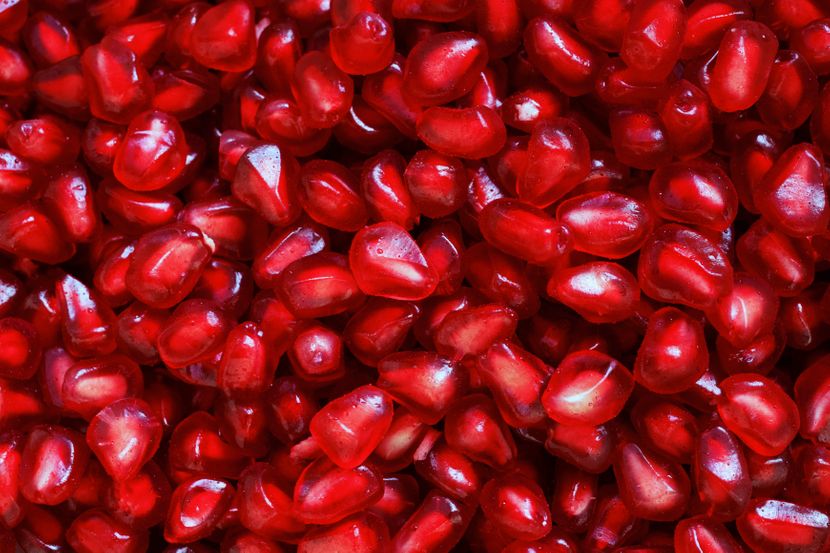
As the cold season brings hearty, indulgent foods, a burst of freshness on the table can be a delightful surprise. Few fruits offer the same vibrant impact as the pomegranate, known for its vivid red seeds and delightful tartness.
Selecting the Best Pomegranate
While many rely on color to choose a pomegranate, experts suggest a different approach. A heavier fruit is ideal, indicating it is packed with juicy seeds and at peak ripeness. The skin should be firm without soft spots, though some texture is normal.
Extending Freshness
To ensure your pomegranate stays fresh, proper storage is crucial. At room temperature, a whole fruit lasts about a week. However, refrigeration can extend its life to two months. Keep it in a cool, dry place, away from ethylene-producing fruits like apples and bananas.
Refreshing Winter Salad Ideas
Pomegranate shines in salads, offering a refreshing contrast to heavier dishes. Here are two simple recipes:
1. Beet and Pomegranate Salad combines cooked beets, pomegranate seeds, parsley, lemon juice, and olive oil. Optionally, add mustard or grated carrot for extra flavor. Mix all ingredients and toss with dressing.
2. Pomegranate and Walnut Salad (Georgian Style) includes pomegranate seeds, walnuts, coriander or parsley, balsamic vinegar, and sunflower oil. Mix ingredients and season with salt for a sweet, nutty dish.
Pomegranates are a winter essential, adding color and freshness at just the right time. Select them by weight, store them properly, and enjoy the vibrant addition they bring to your meals.
Related news

Tired of Food Cravings? A Leading Expert Says a Giant Salad Is the Surprising Solution You Need
Plant Based House reserves all rights to the content. For downloading content, see instructions on the Terms of Use page.