Chef Secrets: How Sauting and Roasting Transform Cabbage Into a Crispy, Flavor-Packed Side

Summary
- Cabbage is rich in vitamin C, vitamin K, and fiber, supporting immunity, bone health, and digestion.
- Sauting cabbage with high heat and proper seasoning enhances flavor and texture.
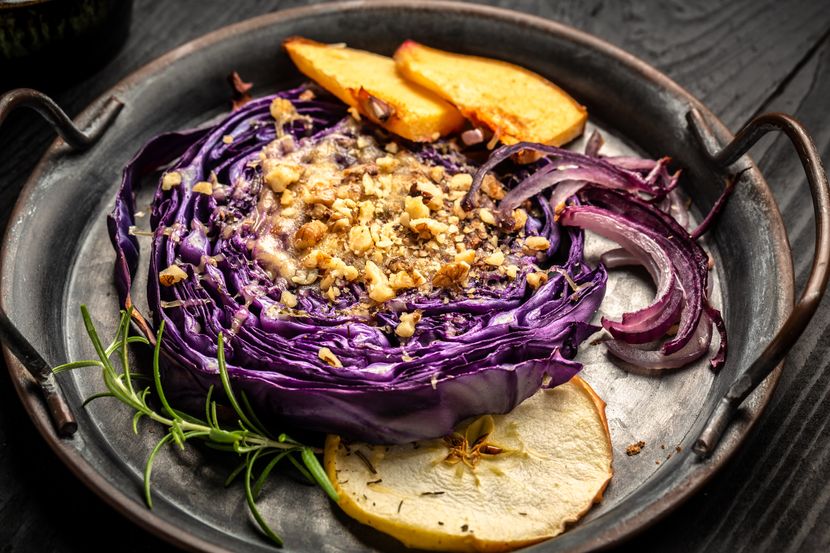
- Oven roasting purple cabbage with a mustard-balsamic glaze offers a flavorful alternative.
Despite its humble appearance and affordability, cabbage packs a nutritional punch that benefits the body in multiple ways. This versatile vegetable is an excellent provider of vitamin C, which aids the immune system, and vitamin K, crucial for healthy bones and effective blood clotting. Its high fiber content supports digestion and gut health, and with very few calories, cabbage fits effortlessly into a balanced diet. While green cabbage is the most commonly found variety, purple (or red) cabbage is becoming increasingly popular and offers some unique advantages.
Purple vs. Green: What Sets Them Apart?
Both green and purple cabbages are nutritional standouts, but they have distinct profiles:
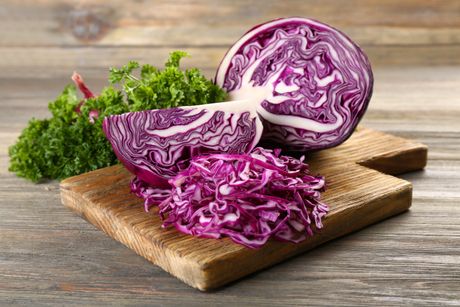
- Purple Cabbage: Holds an advantage due to its deep hue, which comes from anthocyanin - a powerful antioxidant with anti-inflammatory properties that contribute to cardiovascular wellness. Additionally, it contains a higher amount of vitamin C than its green counterpart.
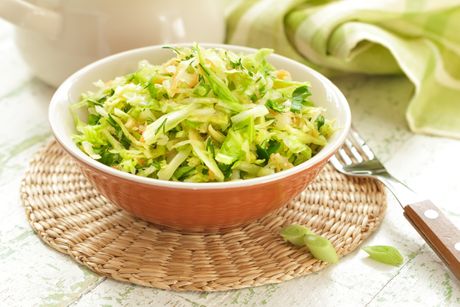
- Green Cabbage: Often preferred in kitchens for its milder, sweeter flavor profile, making it a classic favorite in dishes like coleslaw, stir-fries, and hearty soups.
Ultimately, choosing either type means making a fantastic, health-conscious decision.
Chef-Recommended Techniques for Cooking Cabbage
Cabbage sometimes gets an unfair reputation for being bland or mushy, but restaurant chefs have demonstrated that the right approach changes everything. Professional chefs agree that cabbage can be completely transformed by steering clear of common errors and embracing high-heat techniques.
The preferred method among many is sautéing, which involves cooking the cabbage quickly in fat over elevated heat. This process creates a delightful balance between a tender interior and crispy, caramelized edges. Key tips from the pros include:
- Use a large pan: Ensuring ample surface area prevents the cabbage from steaming in its own juices.
- Manage the heat: Start on high heat to get a good sear, then lower it so the vegetable becomes tender without burning.
- Season generously: Don't hold back on the salt and black pepper.
This method works beautifully for both varieties, though purple cabbage generally needs a bit more time to cook through. A classic example is German-style sweet and sour red cabbage, which relies on sautéing with the addition of salt, pepper, a pinch of sugar, and balsamic vinegar.
Common Pitfalls and Solutions
Several frequent mistakes can hinder the outcome when cooking cabbage. Fortunately, these are easily remedied with a little attention to technique:
- Chopping too finely: This causes excess moisture to release, resulting in steaming rather than searing. Keep the pieces slightly larger or in wedges.
- Unevenly sized pieces: Leads to some bits burning while others remain raw.
- Using a pan that's too small: Overcrowding traps moisture. Always use your largest skillet.
- Failing to adjust the heat: Leaving the heat too high the entire time will burn the edges before the center cooks.
Oven-Roasted Purple Cabbage: A Flavorful Alternative
For those preparing larger quantities, oven roasting offers a practical, hands-off, and tasty solution. Here is a simple approach to making purple cabbage in the oven, enhanced with a tangy mustard and balsamic dressing.
Ingredients You Will Need:
- 1 head of red cabbage (about 1.5 kg), sliced into 8 wedges with the core left intact (to hold the wedges together)
- 4 tbsp olive oil (divided)
- 3 tsp mustard (divided)
- 2 tbsp balsamic vinegar
- ½ tsp dried thyme
- 1 tsp granulated garlic
- 1 tsp salt (divided)
- Black pepper to taste
- Topping: Crumbled lean (or regular) feta cheese and chopped roasted walnuts
Step-by-Step Preparation:
- Prep the Oven & Tray: Preheat your oven to 200°C (400°F). Lay the cabbage wedges flat on a baking tray lined with parchment paper.
- First Glaze: In a small bowl, combine 3 tablespoons of olive oil with 1 teaspoon of mustard, the garlic, thyme, pepper, and half of the salt. Brush this mixture generously over the cabbage wedges.
- First Roast: Roast in the oven until the edges begin to brown, roughly 20 minutes.
- Second Glaze: While the cabbage roasts, mix the balsamic vinegar with the remaining 1 tablespoon of olive oil, the remaining 2 teaspoons of mustard, and the rest of the salt.
- Flip and Coat: Remove the tray from the oven. Brush the cabbage with half of the balsamic mixture, carefully flip the wedges over, and brush the other side with the remainder.
- Final Bake: Return to the oven and bake until the cabbage edges are deeply caramelized and tender, about 15 minutes more.
- Serve: Transfer the finished wedges to a platter, top with crumbled feta and chopped roasted walnuts for extra flavor and crunch, and serve immediately.
Whether you choose green or purple, cabbage delivers impressive nutrition and can easily become the highlight of any meal with the right preparation. By following expert advice and trying out new techniques like high-heat roasting, you can turn this everyday, budget-friendly vegetable into a true standout dish.
Related news

Why Adding a Cup of Strawberries to Your Diet Could Transform Your Cardiovascular Well-being
The humble carrot can become a superstar in salads: With this great trick
Give radishes a chance: Surprise your household with these fresh and fun salads
Strawberries in Salads: Surprising Nutrition Facts and the Debate Over Sweet vs. Savory Pairings
Plant Based House reserves all rights to the content. For downloading content, see instructions on the Terms of Use page.