Think Animal Protein Is Superior? New Insights Debunk Common Myths About Plant Protein Quality

Summary
- The body breaks down proteins into amino acids, regardless of their source.
- Plant proteins provide amino acids directly, along with phytonutrients and fiber.
- Misconceptions about plant protein "incompleteness" persist among professionals.
- Choosing plant proteins supports long-term health goals over short-term taste preferences.
Years of superficial and incorrect information have led to widespread misconceptions about plant and animal proteins. Most people would confidently say that animal proteins are of higher quality because they are "complete," unlike plant proteins - with only a few alleged exceptions like soy and quinoa. Unfortunately, these misconceptions often lead to dietary choices that may not align with long-term health goals.
Misconceptions About Essential Amino Acids in Plants
To understand proteins, one must understand amino acids, which are their fundamental building blocks. There are 20 amino acids in total, 9 of which are essential - meaning the human body cannot synthesize them, and they must be ingested through food.
A widespread misconception about the "incompleteness" of plant proteins was recently highlighted by Dr Christopher Gardner from Stanford University. During a lecture for nutritionists and dietitians, he asked participants to choose the true statement among four options:
- No plant contains all essential amino acids.
- All plants contain some essential amino acids.
- Some plants contain all essential amino acids.
- All plants contain all essential amino acids.
Shockingly, many professionals failed to identify the correct answer, which is number 4. Every single plant contains all nine essential amino acids. While the proportions may vary, the idea that plants lack specific building blocks is a scientific inaccuracy.
The Myth of Protein Source Superiority
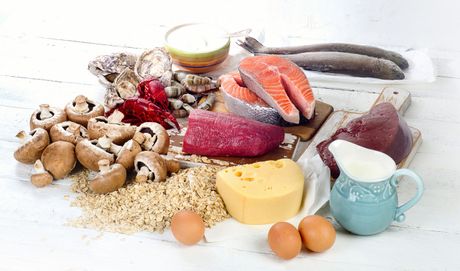
The traditional line of thinking suggests that animal proteins are of "higher quality" because their amino acid profile is most similar to that of the human body. While humans are biologically closer in composition to other animals than to asparagus, the fundamental question is whether the origin of the protein matters during digestion.
The human body does not absorb proteins "whole." Instead, it breaks down all ingested proteins into individual amino acids first. It then synthesizes new proteins by combining these building blocks in the correct order. As Dr Gardner explains, in this "assembling blocks" process, the body does not distinguish whether a specific amino acid came from a pig or a lentil. For normal biological function, the priority is ingesting sufficient total amounts of essential amino acids throughout the day, regardless of their source.
Which Proteins Are Truly "Higher Quality"?
Plants are essentially the "mother of all proteins," as every essential amino acid on the planet is originally synthesized in plants. Herbivorous animals obtain their amino acids exclusively from plant food. By consuming animal meat and dairy, humans are essentially getting amino acids from plants that have been "recycled" through the animal's body.
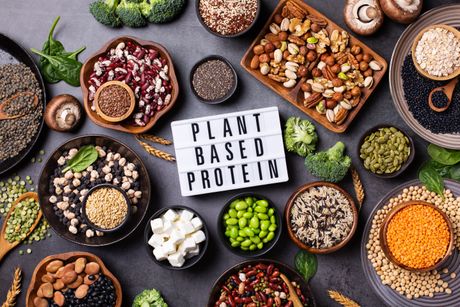
Choosing plant sources allows the body to receive nutrients from the original source, accompanied by healthy phytonutrients and fiber, rather than a processed version. While taste preferences often drive the consumption of burgers and sausages, understanding the biological efficiency of plant proteins is a crucial step toward informed health decisions. Ultimately, short-term flavor satisfaction is often weighed against long-term wellness, a choice that becomes increasingly significant when facing chronic health challenges.
Related news

Start your day in imperial style with a protein chia pudding: Almost a dessert for breakfast
7 reasons to eat dark chocolate every day: Science has identified these great benefits
Discover the Top 3 Science-Backed Health Benefits of Peanut Butter for Heart, Blood Sugar, and Weight
Swap Mayo for White Beans: Discover a Protein-Packed Creamy Potato Salad Thats Guilt-Free and Filling
Plant Based House reserves all rights to the content. For downloading content, see instructions on the Terms of Use page.