Discover the Top 3 Science-Backed Health Benefits of Peanut Butter for Heart, Blood Sugar, and Weight

Summary
- Peanut butter provides healthy fats, plant proteins, and essential micronutrients like vitamin E, folic acid, and magnesium.
- It supports heart health by lowering LDL cholesterol and triglycerides due to its monounsaturated fat content.
- Peanut butter helps regulate blood sugar levels and reduces the risk of type 2 diabetes.
- It aids in weight management by increasing satiety and preventing overeating.
As an excellent source of healthy fats and plant proteins, peanut butter is a staple in a balanced plant-based diet. Beyond its rich, creamy taste, it offers an impressive array of nutritional advantages. Let’s explore its nutritional profile, how it contributes to long-term health, and the most creative ways to incorporate it into everyday meals.
The Nutritional Profile of Peanut Butter
A standard serving of peanut butter is considered to be 2 full tablespoons (about 32 g), which is a safe and healthy amount to consume daily. This single serving provides the body with:
- Calories: 190 kcal
- Protein: 8 g
- Fat: 16 g (of which only 3 g are saturated)
- Carbohydrates: 7 g
- Fiber: 1.8 g
- Sugar: 3 g
- Cholesterol: 0 mg
- Micronutrients: Significant amounts of vitamin E, folic acid, and magnesium.

Top 3 Science-Backed Health Benefits
According to available scientific research, regularly consuming peanut butter offers several major health advantages:
- Favorable Impact on Heart Health: As a plant-based food, peanut butter contains zero cholesterol and is an excellent source of heart-healthy monounsaturated fats. These fats help lower LDL ("bad") cholesterol and triglyceride levels. One study found that regular consumption of peanut butter (or whole peanuts) over six months significantly improved participants' LDL cholesterol levels. Multiple studies confirm the link between nut consumption (peanuts included, despite technically being legumes) and a reduction in harmful blood lipids.
- Blood Sugar Regulation: For those monitoring their blood sugar levels, peanut butter is a powerful ally. The high fat and protein content slows down the absorption of calories and carbohydrates, keeping blood sugar levels stable and preventing sudden spikes.These positive effects are not only short-term. Consuming peanut butter alongside high-glycemic-index (GI) foods helps blunt the overall glycemic response. Furthermore, a comparative review of long-term studies found that people who regularly consume peanut butter have, on average, a 13% lower risk of developing type 2 diabetes.
- Weight Management Support: Because peanut butter is calorie-dense, some worry it might lead to weight gain. However, this overlooks the fact that healthy fats are a crucial part of a balanced diet and can actually aid in weight loss. Studies have shown that participants who ate a tablespoon of peanut butter before meals experienced similar weight loss to those on strict low-fat diets. The winning combination of protein and healthy fats dramatically increases satiety, keeping you fuller for longer and preventing overeating.
Creative Ways to Use Peanut Butter
For true peanut butter fans, enjoying a convenient spoonful straight from the jar is a treat in itself. However, because it works fantastically in both savory and sweet combinations, there are countless ways to elevate your daily meals:
- Stirred into morning oatmeal for extra creaminess and protein.
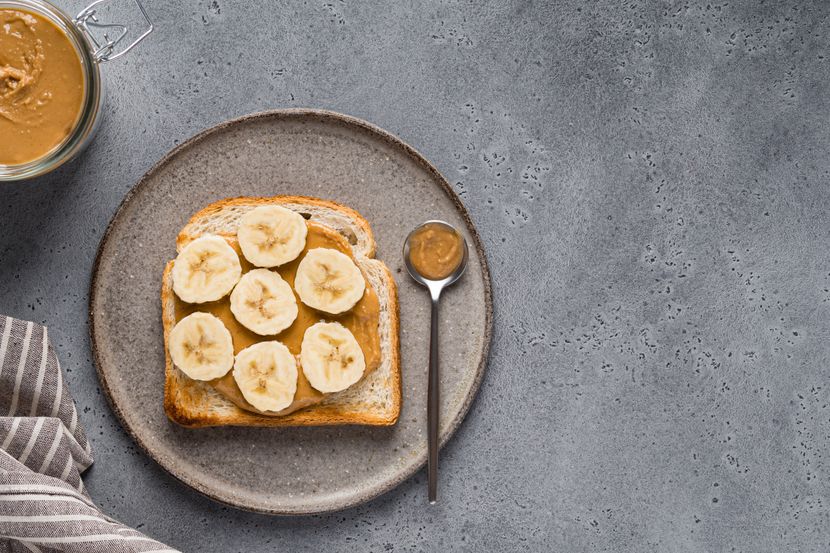
- Spread on whole-grain toast alongside fruit preserve or fresh fruit (blueberries, peaches, or bananas).
- Slathered on a sandwich with smoked tofu, fresh vegetables, and a dash of hot sauce.
- Smeared on banana or apple slices for a quick, energizing snack.
- Mixed into raw and baked vegan treats (energy balls, granola bars, banana bread, or cookies).
- Blended into an Asian-inspired salad dressing (combined with soy sauce, lemon juice, maple syrup, garlic, and ginger).
- Stirred into noodle dishes, ramen broths, or tofu vegetable stir-fries for a rich, savory depth.
Quick & Healthy Recipes
1. Icy Peanut Butter & Chocolate Smoothie
If you love quick, healthy refreshments, keeping frozen bananas on hand is a game-changer (simply peel overripe bananas, slice them, and freeze in an airtight container). This allows you to whip up a creamy, dairy-free smoothie in seconds. This chocolate variation serves as a perfect breakfast or an afternoon energy boost.
Ingredients:
- 1 frozen banana
- 1 tbsp cocoa powder
- 1–2 tbsp peanut butter (to taste)
- ½ – 1 cup plant-based milk of choice (adjust based on desired thickness)
Instructions: Place all ingredients in a blender, process until completely smooth, and enjoy immediately!
2. Peanut Butter & Dark Chocolate Energy Balls
It is no secret that peanut butter and dark chocolate are a culinary dream team. Here is a simple, no-bake recipe for a quick snack or a healthy dessert.
Ingredients:
- 150 g pitted dates
- 90 g rolled oats
- 80 g peanut butter
- 1 tbsp chia seeds
- 50 g dark chocolate, finely chopped
Instructions:
- Soak the dates briefly in hot water to soften them, then drain well.
- Place the soaked dates, rolled oats, peanut butter, and chia seeds into a food processor or chopper. Process until the mixture is well combined and sticky.
- Add the chopped dark chocolate and pulse briefly just to mix it in.
- Scoop out the mixture, roll it into bite-sized balls using your hands, and store them in a covered container in the fridge.
Related news

Tahini vs Peanut Butter: Which Spread Wins for Protein, Minerals, and Allergy-Friendly Eating?
Make the best "meatballs" from any type of legumes: This is a universal recipe
Discover the Nutritional Power of Chickpeas in This Easy, Protein-Packed Schnitzel Recipe
How to Save Money and Use Old Bread: Quick Recipes for Every Day
Plant Based House reserves all rights to the content. For downloading content, see instructions on the Terms of Use page.