
How Cooking Methods Like Steaming and Microwaving Help Preserve Vitamins and Antioxidants in Food

Summary
- Cooking affects nutrient levels, both positively and negatively.
- Heat-sensitive vitamins like vitamin C and B vitamins can be lost during cooking.
- Cooking increases the bioavailability of nutrients like lycopene and beta carotene.
- Light thermal processing reduces oxalates, improving calcium absorption.
When we cook and choose the method of meal preparation, we are usually focused on achieving the desired taste or texture. However, we rarely think about how the method of food preparation affects the nutritional value of the meals we prepare. While some people choose to eat only raw food, believing that thermal processing destroys valuable nutrients, others argue that cooking can increase the nutritional benefits of some foods. So who is right? It seems in many ways - both sides.
The truth is that fresh fruits and vegetables contain certain valuable enzymes and heat-sensitive vitamins that are best consumed in their most natural form, but it's also true that cooking facilitates our body's absorption of some nutrients from food. So what is the best approach? It seems that the key is in balancing both of these approaches. That's why today we explore how different food preparation methods affect its nutrients, so that besides enjoying our favorite meals, we can make the most of the valuable ingredients.
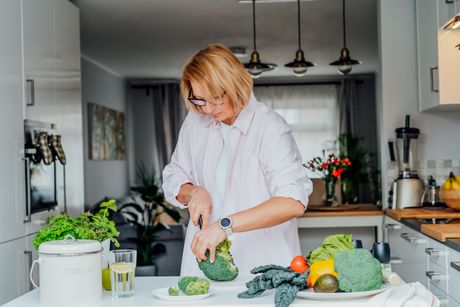
Does cooking food destroy nutrients?
Cooking can alter the nutrients in food - for better and for worse. Some vitamins are heat-sensitive and lose their activity through cooking, while other nutrients become more bioavailable, making it easier for our bodies to absorb them. Although cooking can destroy some nutrients, the technique we use is very important. According to food technology experts, frying and boiling lead to greater nutrient loss than, for example, steaming or microwaving.
Prolonged cooking certainly negatively affects the nutritional value of most types of vegetables. On the other hand, sautéing (cooking with minimal liquid, covered - which produces an effect similar to steaming), steaming or baking, can help preserve a large portion of nutrients, as well as maintain the colors and flavors of our favorite vegetables. It seems quite logical that when cooking vegetables, we should apply methods that exclude contact with too much water, so nutrients do not "escape" from them, as many vitamins are water-soluble. The length of preparation is also important, as it negatively affects the nutritional value of cooked vegetables.
Nutrients lost or reduced through cooking
- Water-soluble vitamins - vitamin C, B vitamins (B1, B2, B3, B5, B6, B9, and B12) are heat-sensitive and can be lost during thermal processing. Thus, cooking or simmering foods such as broccoli, peppers, or spinach, can lead to a loss of a good portion of these vitamins. Therefore, foods rich in these vitamins should be processed briefly and with minimal water and eaten raw more often, especially to get enough vitamin C. Both meat and fish lose some B vitamins through thermal processing, but since it is necessary, methods such as baking, poaching, or slow cooking at lower temperatures should be favored, while grilling and frying (longer processing at high temperatures) should be avoided as much as possible.
- Some antioxidants - Those that are water-soluble - are often lost during cooking. One study experimentally showed a loss of antioxidants in cauliflower after cooking and their reduced activity. On the other hand, they discovered that thermal processing of cauliflower and carrots in the microwave, not longer than 10-15 minutes, retained most of the antioxidants. It's evident that time and temperature are key factors in creating dishes that are not only delicious but also retain most of the valuable nutrients.
- Omega 3 fatty acids - Healthy fats, such as omega 3, found in fish, are extremely sensitive to high temperatures. Exposing salmon, mackerel, or other types of fish to high temperatures during grilling or frying can lead to the degradation of these valuable fats, reducing their anti-inflammatory benefits and related protective effects on heart health. If you consume fish, opt for steaming, poaching, or baking in the oven instead.

Nutrients whose benefits are increased by cooking food
- Lycopene - The antioxidant found, for example, in tomatoes, is an excellent example of a nutrient that our body absorbs more easily when the food containing it is cooked. This antioxidant is otherwise associated with beneficial effects on heart health and the prevention of certain types of cancer. Cooking tomatoes increases their lycopene content.
- Beta carotene - Cooking carrots and sweet potatoes will increase the bioavailability of beta carotene, a nutrient that our body converts into vitamin A, which supports our vision and immune system. However, even better than cooking is steaming or microwaving, which will enhance the utilization of powerful antioxidants without compromising other important nutrients. Experts say that well-prepared carrots or sweet potatoes retain a bright color and partially firm texture (do not overdo thermal processing).
- Calcium - Cooking some foods can have benefits by reducing the concentration of certain substances that can interfere with nutrient absorption. An example of this is - oxalates. These substances found, for example, in spinach and kale can block our body's ability to absorb calcium from food. Light thermal processing reduces the concentration of oxalates, making it easier for us to absorb calcium.
So, considering all this, should we worry about losing something when we cook food? Actually, no, if we have a balanced approach, which means using as diverse foods as possible and the benefits of different cooking methods. Because, although thermal processing destroys some nutrients, it makes some healthy foods tastier, so we will consume them more. So if your children don't like to eat certain types of vegetables fresh, feel free to lightly cook them, and if necessary, blend them to turn them into something they will eat.
Related news

Why Zucchini Deserves a Place in Every Kitchen: Nutrients, Antioxidants, and Versatile Recipes
Swap Mayo for White Beans: Discover a Protein-Packed Creamy Potato Salad Thats Guilt-Free and Filling
How to Turn Leftover Citrus and Ginger Into Powerful Immunity Cubes for Anytime Wellness
Upgrade Your Morning Coffee: How Simple Spices Can Boost Flavor and Antioxidant Power Instantly
Plant Based House reserves all rights to the content. For downloading content, see instructions on the Terms of Use page.