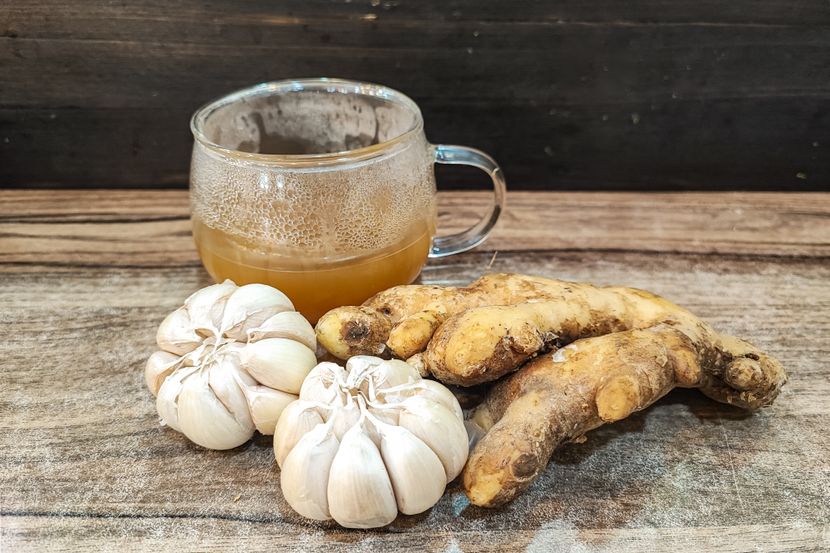
Can Garlic, Onion, and Ginger Really Boost Heart Health? Science Explains the Best Way to Use Them Daily

Summary
- Garlic, onion, and ginger have a history of use in traditional medicine and offer compounds beneficial for heart health.
- Consuming these ingredients in their raw, concentrated form may cause digestive discomfort and pose risks for some individuals.
- Incorporating them into daily meals in moderate amounts is recommended for optimal benefits.
The reputation of garlic, onion, and ginger as promoters of well-being is supported by both tradition and science. While their health properties are widely recognized, questions remain about the best way to consume them for heart health.
Heart-Healthy Compounds in Everyday Ingredients
Each of these plants contributes unique bioactive substances that may support cardiovascular function. Garlic provides allicin, known for its potential to lower both LDL cholesterol and blood pressure by encouraging blood vessel dilation and improved circulation. Onion offers quercetin, an antioxidant that helps fight inflammation and may deter the accumulation of arterial plaque. Meanwhile, gingerols in ginger not only combat inflammation but also play a role in reducing triglyceride levels, further supporting heart wellness.
Despite these advantages, current research generally points to moderate consumption within a balanced diet as the most effective approach, rather than relying on potent raw mixtures.
Potential Downsides of Raw Consumption
Although the idea of a raw “elixir” made from these three ingredients is growing in popularity, consuming them uncooked and in combination can be tough on the digestive system. Such mixtures may lead to symptoms like heartburn, bloating, or abdominal discomfort, particularly in those with sensitive stomachs. Additionally, both garlic and ginger act as natural blood thinners, which can be problematic for people already taking medication for circulation or anticoagulation therapy.
Beyond health considerations, the sharp taste and strong aroma of these ingredients when raw often make them unpalatable for many.
Integrating Garlic, Onion, and Ginger Into Your Diet
There’s no need to endure raw concoctions to benefit from these foods. Cooking with garlic, onion, and ginger is a simple and enjoyable way to incorporate them into your routine. For instance, adding chopped garlic towards the end of cooking can maximize its allicin content. Freshly grated ginger works well in dressings or warm beverages, and using onion as a base for various dishes is both flavorful and beneficial.
Consistent, moderate use of these ingredients in everyday cooking is a practical strategy for supporting heart health over time.
Evidence from clinical studies
Recent meta‑analyses of randomized controlled trials suggest that these kitchen staples have measurable, yet modest, cardiovascular benefits when taken as supplements. A review of ten trials found that long‑term garlic supplementation lowered systolic blood pressure by about 4 mm Hg and diastolic pressure by roughly 3 mm Hg, while also modestly improving total cholesterol and raising HDL cholesterol. Onion extract trials with around 446 participants reported increases of about 2.3 mg/dL in HDL cholesterol and reductions of around 6.6 mg/dL in LDL cholesterol and 5.4 mg/dL in total cholesterol. Clinical studies on ginger supplementation showed decreases in triglycerides (~12.5 mg/dL), total cholesterol (~6.5 mg/dL) and LDL (~5.1 mg/dL), along with small increases in HDL (~1.1 mg/dL) and reductions in body weight. These results indicate that moderate, consistent use of garlic, onion and ginger may support heart health; however, the effects are not dramatic, and high doses can cause gastrointestinal discomfort or interact with medications.
While garlic, onion, and ginger each offer heart-friendly compounds, the most effective and manageable way to gain their benefits is through regular culinary use rather than raw, concentrated mixtures.
Plant Based House reserves all rights to the content. For downloading content, see instructions on the Terms of Use page.