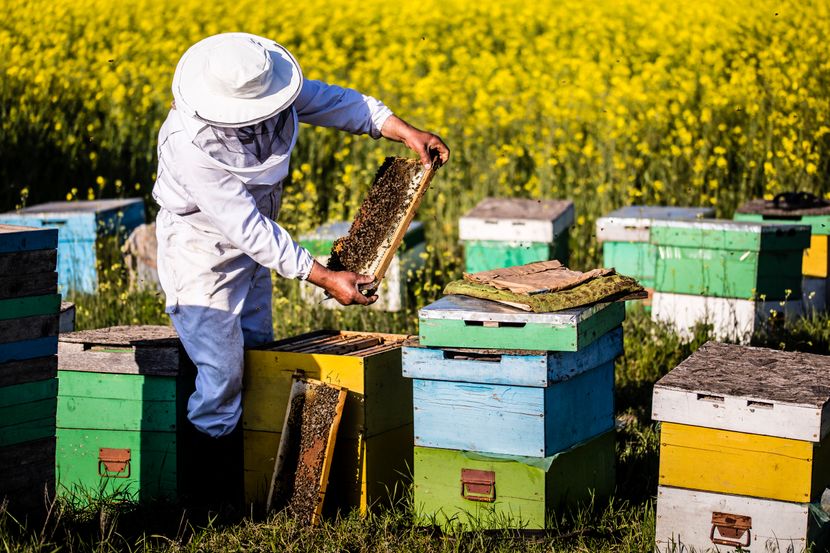
Oxford Scientists Create Bee Superfood That Boosts Young Bee Survival Rates by 15 Times in Lab Tests

Summary
- Oxford scientists have developed a "bee superfood" to help save bees.
- The supplement significantly increases young bee survival rates.
- Research highlights the importance of sterols for bee nutrition.
Innovative Bee Supplement Developed
In a bid to combat climate change impacts, researchers at Oxford have introduced a dietary supplement aimed at preserving bee populations, vital for global food production.
Impact of the Supplement
Tests revealed that bee colonies receiving this new nutritional aid experienced a dramatic increase in the survival of young bees, up to 15 times more reaching adulthood. This finding is crucial as bee populations have been diminishing due to various environmental challenges.
Challenges Bees Face
Bees typically rely on pollen and nectar for essential nutrients. However, scarcity of flowers and honey harvesting have deprived them of these resources. Traditional artificial diets lacked critical micronutrients, particularly sterols, necessary for bee development.
Breakthrough in Nutritional Science
After 15 years of research, Oxford scientists identified the specific sterols bees require and have replicated them using genetically modified yeast. This breakthrough mimics a natural diet and could revolutionize bee conservation.
Lab results indicate that bees on this complete diet show increased resistance to diseases and climate variations. Supplements like these could be vital during hotter periods when flowers bloom less.
Diverse perspectives on bee decline
In online discussions readers disagree on why bee populations are declining. Some argue habitat loss from urban development is the main cause rather than climate change, while others point to pests (such as Varroa mites), pesticides and globalisation of parasites and diseases as major drivers. Another group stresses that multiple factors act together. Acknowledging these differing views helps underline why solutions will need to address habitat, disease and agricultural practices, not just nutrition.
Future Prospects
Although further trials are needed, initial results are promising. If successful, this "superfood" may be available to beekeepers within two years, offering a lifeline to the bee population.
This innovative approach underscores the need for sustainable solutions starting with the smallest but crucial ecosystem players, the bees.
Plant Based House reserves all rights to the content. For downloading content, see instructions on the Terms of Use page.