Black cumins secret power: How Nigella sativa can naturally support blood sugar and metabolic health

Summary
- Black cumin Nigella sativa helps regulate blood sugar and supports metabolic function.
- Thymoquinone in black cumin offers antioxidant and anti-inflammatory benefits.
- Regular intake improves insulin response, lowers fasting glucose, and reduces HbA1c levels.
- Black cumin supports the immune system and may balance cholesterol and triglyceride levels.
- It can be easily incorporated into meals as seeds or oil, enhancing flavor and health benefits.
Though not commonly found in local kitchens, black cumin-also known as Nigella sativa or “black seed”-has gained attention for its significant health advantages. Once a staple in traditional Middle Eastern and Indian medicine, research now highlights its potential in regulating blood sugar and supporting metabolic function.
Key Components and Effects
Black cumin’s notable benefits stem from its unique mix of bioactive compounds, especially thymoquinone. This ingredient is associated with strong antioxidant and anti-inflammatory properties. Evidence indicates that Nigella sativa may help the body by:
Improving how cells respond to insulin, leading to easier blood sugar management. Regular intake has been linked with lower fasting glucose and reduced HbA1c levels, which reflect long-term blood sugar trends. Additionally, black cumin’s active components help mitigate low-grade inflammation and oxidative stress, both of which are connected to insulin resistance, obesity, and type 2 diabetes.
Some studies suggest it can assist in balancing cholesterol and triglyceride levels. Beyond metabolic effects, black cumin is valued for supporting the immune system, thanks to its microbiological and antioxidant actions. For these reasons, it is considered a functional food supplement in addition to being a spice.
Ways to Incorporate Black Cumin
Despite its unfamiliarity in some regions, integrating black cumin into daily meals is straightforward. Suggested daily use includes 1/2 teaspoon (1-2 grams) of seeds or 1 teaspoon of cold-pressed oil. Due to its distinct, somewhat bitter and spicy flavor, beginners may want to start with smaller amounts.
The seeds can be sprinkled on bread before baking, mixed into oatmeal, added to salads or savory dough, included in legume or vegetable salads, or blended into spreads like hummus. For the oil, a teaspoon can be taken before breakfast, mixed into salad dressings (never heated), or combined with plant-based yogurt, tahini, and lemon juice for a flavorful sauce.
Clarifying Common Misconceptions
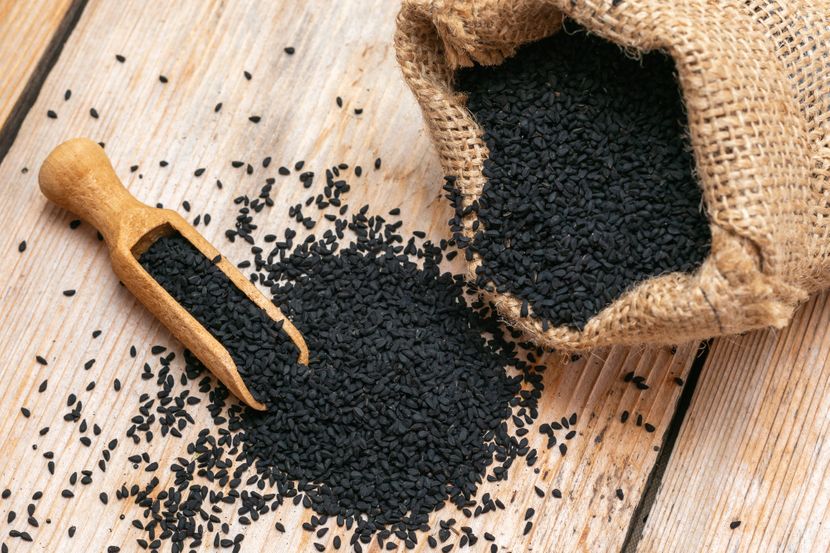
It is important to note that Nigella sativa should not be confused with caraway (Cuminum cyminum). Black cumin seeds are small and black, similar in appearance to black sesame, and are frequently used in Indian and Middle Eastern cuisine.
Conclusion
Though small in size, black cumin brings remarkable health benefits through its anti-inflammatory, antioxidant, and metabolic properties. It offers a natural way to support blood sugar regulation, insulin sensitivity, and overall well-being. With its ease of use in both seed and oil form, Nigella sativa stands out as a valuable addition to the modern diet.
Plant Based House reserves all rights to the content. For downloading content, see instructions on the Terms of Use page.