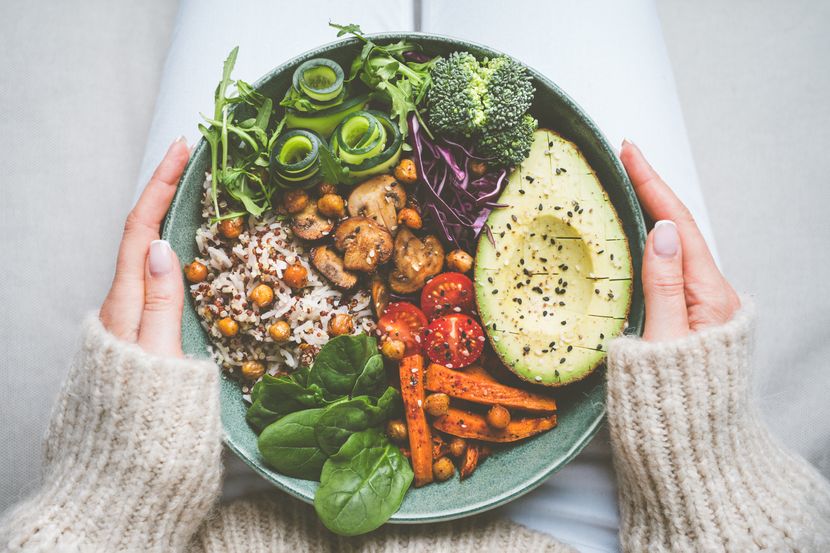
Discover the concept of "Buddha bowls": Always different, diverse, and balanced meal in one plate

Summary
- Buddha bowls consist of plant-based foods like whole grains, legumes, and vegetables, tied together with a sauce.
- The concept is linked to Buddhist traditions emphasizing simplicity and minimalism.
- They offer customizable and efficient meal preparation, adaptable to personal tastes and dietary needs.
- Building a Buddha bowl involves combining grains, plant proteins, vegetables, sauces, and optional toppings.
Buddha bowls have gained immense popularity not only for their vibrant appearance but also for their practicality and health benefits. These bowls, featuring an assortment of wholesome ingredients arranged side by side and tied together with a delicious sauce, offer a satisfying and quick way to enjoy diverse flavors without spending hours in the kitchen.
The Concept Behind the Buddha Bowl
Known by various names such as a grain bowl, macro bowl, or power bowl, the Buddha bowl typically consists of a selection of plant-based foods served together in a single dish. The core ingredients usually include whole grains, legumes, and various types of vegetables, all completed with a complementary sauce that brings the dish to life.
Interestingly, some sources suggest that the origins of the Buddha bowl are linked to Buddhist traditions emphasizing simplicity and minimalism. Stories describe Buddha carrying a bowl during his travels and collecting a variety of foods donated by villagers, which were then combined into one nourishing meal.
Adaptable and Efficient Meal Preparation
Many cultures have embraced the idea of meals that combine several different foods on one plate, such as the Indian thali, Hawaiian poke, and Korean bibimbap. Buddha bowls follow this tradition, encouraging creativity and adaptation to personal tastes and dietary needs. Whether inspired by global cuisines or tailored to what you have in the fridge, these bowls provide endless possibilities for flavor combinations.
The Buddha bowl concept is particularly effective for efficient meal planning. Most ingredients can be batch-cooked and stored for later use. By preparing your grains, beans, and vegetables in advance, you can quickly assemble meals throughout the week. Simply by switching up seasonings and sauces, you can enjoy a huge variety of meals while minimizing your time spent in the kitchen.
How to Build a Buddha Bowl
Buddha bowls are highly customizable. To build a balanced, plant-based Buddha bowl, simply combine ingredients from these basic categories:
- Whole grains or starchy vegetables: Brown rice, bulgur, quinoa, buckwheat, barley, potatoes, or sweet potatoes.
- Plant protein sources: Lentils, chickpeas, beans, edamame, tofu, or tempeh.
- Vegetables: Any variety you love—raw, steamed, or roasted.
- Sauce or dressing: Homemade or store-bought (this adds essential flavor and moisture).
- Optional toppings: Enhance the texture and nutritional profile with fresh herbs, nuts, seeds, microgreens, or pickled/fermented vegetables.
Recipe: Bulgur, Roasted Veggie & Lentil Buddha Bowl
For a simple, nourishing meal, try assembling this vibrant Buddha bowl. (Yields: 2–3 servings)
Ingredients for the Roasted Vegetables:
- 1 medium sweet potato (about 300 g)
- 2 medium carrots
- 1 medium zucchini
- 1 large red bell pepper
- 1 red onion
- Seasonings: 1 tsp garlic powder, 1 tsp regular or smoked paprika, 1 tsp oregano, ½ tsp turmeric, ½ tsp thyme, plus salt and black pepper to taste.
- 1 tbsp tamari (or soy sauce)
- 2 tbsp olive oil
Other Bowl Components:
- 1 cup cooked bulgur (or your grain of choice)
- 1 cup cooked lentils
- 2–3 handfuls of fresh arugula
- Microgreens (as desired)
- Homemade tahini dressing: Whisk together tahini, lemon juice, garlic powder, cumin, salt, and a splash of water until creamy.
Toppings:
- Pumpkin seeds (or substitute with chopped walnuts/almonds)
- 2 tbsp chopped fresh parsley
Instructions:
- Prep the Veggies: Preheat your oven to 200°C (400°F). Chop the sweet potato, carrots, zucchini, bell pepper, and onion into bite-sized pieces.
- Season and Roast: Place the chopped vegetables on a parchment-lined baking tray. Drizzle with olive oil and tamari, then sprinkle with the mixed spices. Toss well to coat. Spread them in a single layer and roast for about 30 minutes, stirring halfway through.
- Mix the Dressing: While the vegetables are roasting, whisk together your tahini dressing ingredients in a small bowl until smooth.
- Assemble: Layer the cooked bulgur, lentils, arugula, and microgreens into individual serving bowls. Add a generous scoop of the roasted vegetables.
- Garnish: Sprinkle with pumpkin seeds and fresh parsley, and finish with a generous drizzle of the tahini dressing.
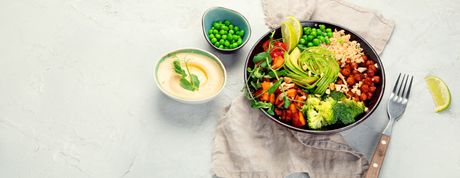
Buddha bowls offer a flexible, stress-free approach to healthy eating, combining nutritious staples with customizable flavors and textures. With a little advance preparation, these vibrant, balanced meals can be easily enjoyed any day of the week.
Related news

Tahini vs Peanut Butter: Which Spread Wins for Protein, Minerals, and Allergy-Friendly Eating?
Start Your Day Right: How Freezer-Friendly Plant-Based Burritos Boost Gut Health and Energy
Swap Mayo for Hummus or Avocado: Cut Calories and Boost Nutrition With Simple Sandwich Upgrades
Strawberries in Salads: Surprising Nutrition Facts and the Debate Over Sweet vs. Savory Pairings
Plant Based House reserves all rights to the content. For downloading content, see instructions on the Terms of Use page.