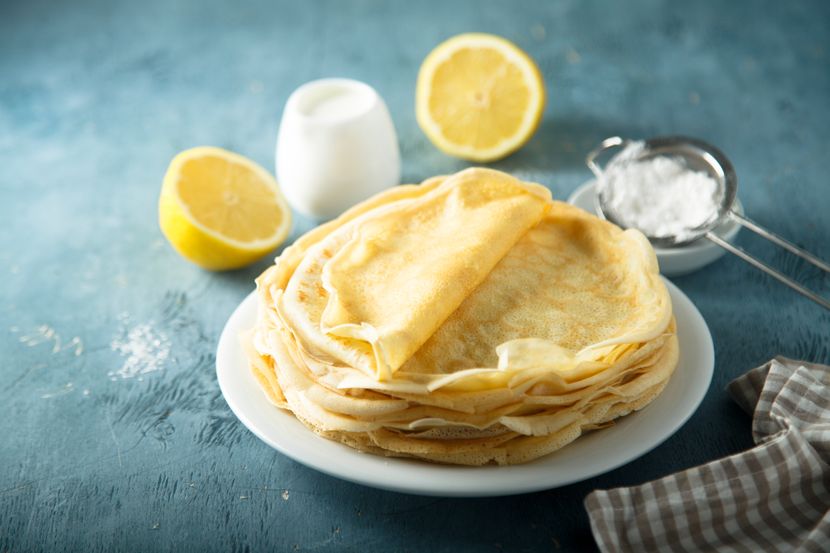
Perfectly Thin Vegan Crepes: The Surprising Ingredient That Replaces Eggs for Structure and Flexibility

For many transitioning to a plant-based lifestyle, the hardest part isn't giving up milk or eggs—it’s cheese. Swapping dairy milk for the wide variety of plant-based alternatives on the market is simple, and replacing eggs as a binder in baking often just takes a little practice. However, after years of plant-based cooking, one of the toughest challenges remains recreating the traditional thin crepe.
While thick pancakes are easy to master using fruit purees and baking powder, a thin and flexible crepe is a "tougher nut to crack." Traditionally, eggs provide the elasticity and binding power needed to keep the batter thin without tearing.
The Secret Ingredient
After experimenting with various recipes, a game-changing solution emerged: cornstarch. Adding cornstarch to the batter acts as the perfect binder between the flour and the liquid. It provides the structure and flexibility usually provided by eggs. The result is a reliable, foolproof method for making thin, juicy, and flexible vegan crepes that won't fall apart in the pan.
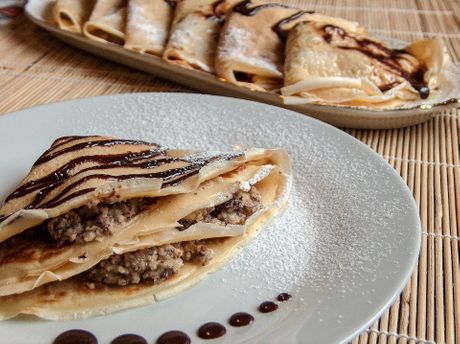
Recipe: Perfectly Thin and Flexible Vegan Crepes
(Yields approximately 12 standard crepes)
Ingredients:
- Flour: 240g (160g white flour + 80g whole spelt flour)
- Cornstarch: 4 level tablespoons (approx. 35g)
- Liquid: 700ml of a 50/50 mixture of soy milk (or other plant milk) and water
- Oil: 2 tablespoons (plus a drop or two for frying)
- Salt: A pinch
- Vanilla: 1 sachet of vanilla sugar or a teaspoon of vanilla extract
- Sweetener: Up to 1 tablespoon of liquid sweetener (optional)
- Color: A pinch of turmeric (optional)
Preparation:
- Mix Dry Ingredients: Combine the flour, cornstarch, salt, and vanilla sugar in a large bowl.
- Combine: Gradually add the liquid mixture and oil. Whisk until smooth to prevent lumps, but be careful not to overbeat, as this can make the crepes tough.
- The Batter Consistency: The batter will be quite thin. This is exactly what allows it to spread easily and form that ideal thin layer.
- Frying: Lightly grease a non-stick pan with a drop of oil and heat it well. Pour in a thin layer of batter, tilting the pan to cover the surface. Flip once the edges are golden and firm.
Pro Tips for Success
- Flour Varieties: This specific blend of white and spelt flour works well, but other types can be used. Keep in mind that different flours have different absorption rates, so the liquid amount may need slight adjustment.
- Consistency Check: It is recommended to follow the recipe exactly for the first attempt to get a feel for the ideal batter consistency before making any adjustments.
Related news

Discover the Greek Secret to Satisfying Plant-Based Meals With Fasolakia Stewed Green Beans
Why Roasted Beets With Ginger and Peanut Sauce Could Be Your New Favorite Plant-Based Recipe
Homemade Apple Puree: Simple Steps to Make a Thicker, More Flavorful Baking Staple at Home
Explosive fruit that shocks with flavor: Make the craziest quick cranberry jam
Plant Based House reserves all rights to the content. For downloading content, see instructions on the Terms of Use page.