Discover Tapioca Starch: The Gluten-Free Secret for Stretchy Vegan Cheese and Fudgy Brownies at Home

Summary
- Tapioca starch comes from the cassava root and is gluten-free and easy to digest.
- It provides a smoother, more elastic texture than cornstarch, ideal for both savory and sweet dishes.
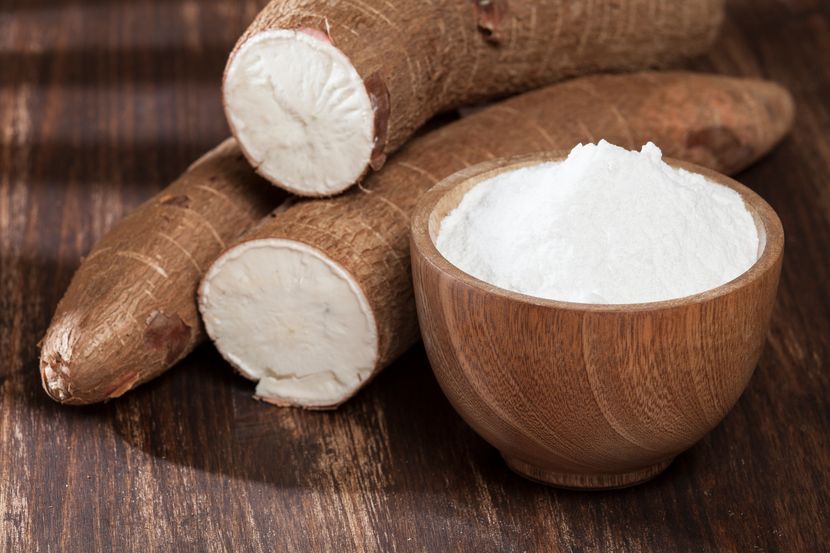
If you've never heard of tapioca starch, don't worry, you're certainly not the only one. However, it's a shame not to learn about this valuable ingredient, which can be a real secret weapon in the kitchen. This light, fluffy, and silky white powder comes from the cassava plant root and can work real magic in both savory and sweet dishes. It's actually the secret ingredient you didn't even know you needed. Unlike the ubiquitous and common cornstarch or popular "thickener," tapioca gives dishes a smoother and more elastic texture, making it perfect for, for example, preparing homemade cheeses based on plant ingredients, homemade puddings, and cakes.
An additional benefit of tapioca is that it is naturally gluten-free and easy to digest, which are important advantages over cornstarch, especially for those with sensitive digestive systems. This excellent addition to dishes is neutral in taste, so it is suitable for a wide variety of culinary applications.
What are all the applications of tapioca in the kitchen?
- For thickening soups, cooked dishes, and various sauces – tapioca starch is a great thickener that creates a smooth and shiny texture at the same time. Unlike cornstarch, tapioca dissolved in water dissolves extremely easily in dishes and doesn't form lumps, resulting in a lightly thickened sauce that also, believe it or not, shimmers. Tapioca starch is used like a thickener by mixing it in a little cold water and adding it to a warm sauce or cooked dish on the stove.
- As a binding agent in the preparation of baked vegan, fasting, and gluten-free treats (cakes, muffins, cookies) and bread – tapioca starch helps to homogenize gluten-free dough, preventing it from crumbling and falling apart. It is also used for a better structure of plant-based breads, cakes, and muffins.
- As an egg substitute in vegan recipes – tapioca starch can mimic the binding properties of eggs in recipes for baked sweet and savory specialties. Mix 1 tablespoon of tapioca starch with 2 tablespoons of water to replace 1 egg in recipes for pancakes or cookies.
- For making “stretchy” cheeses from plant ingredients (vegan cheeses) – tapioca starch is an indispensable ingredient for vegan cheeses, as it gives them that “elastic ” and “stretchy” texture, important for homemade mozzarella, nacho sauce, or pizza cheese.
- Improves the structure of veggie burgers and plant-based meat alternatives – helps to bind the mixture for plant-based burgers, patties, and balls, as well as to retain moisture and juiciness. Tapioca adds a slight "chew" or "bite," mimicking the texture of meat products.
- For creamy, yet thickened and “gelatinous” desserts like puddings or jellies
- Crispy coating for frying – Tapioca is often used to dredge pieces of tofu, vegetables, or plant-based nuggets before frying. Whether baking or frying, it helps form an irresistibly crispy crust.
As an illustration of the use of tapioca starch, here is a simple recipe for a creamy plant-based brownie, which is also gluten-free.
Recipe for vegan brownie with tapioca starch (fudgy and gluten-free)
This brownie is "fudgy," meaning it doesn't have a dry, cake-like structure, but rather a moister, denser, and creamier texture.
Ingredients needed:
- 40 g cocoa
- 60 g tapioca starch
- 25 g almond flour
- 1/2 teaspoon baking soda
- 1/4 teaspoon salt
- 55 g coconut sugar
- 50 g plant milk
- 50 g melted coconut oil
- A little vanilla extract if desired
- 40 g crushed dark chocolate or chocolate chips (optional, not necessary)
- Optional: add some chopped walnuts
Instructions:
- Mix Dry Ingredients: In a mixing bowl, combine the cocoa, tapioca starch, almond flour, baking soda, and salt.
- Mix Wet Ingredients: In a separate bowl, whisk together the plant-based milk, melted coconut oil, and coconut sugar until combined. Add vanilla if using.
- Combine: Pour the wet ingredients into the dry mixture and stir well until smooth.
- Add Chocolate: Fold in the chopped dark chocolate or chocolate chips.
- Bake: Pour the batter into a small baking pan lined with parchment paper. Bake at 180°C (350°F) for about 20 minutes (or slightly longer depending on your oven).
- Cool: The brownie will still be soft in the middle when you take it out—don't worry, it will set as it cools. Important: Let it cool completely before slicing. For a firmer texture, store it in the fridge before serving.
Tapioca starch is a super versatile and useful ingredient in cooking, especially in plant-based cuisine. It is also a must-have ingredient for savory or sweet baked gluten-free products, as well as for homemade cheeses on a plant basis.
Related news

Discover the Greek Secret to Satisfying Plant-Based Meals With Fasolakia Stewed Green Beans
Why Roasted Beets With Ginger and Peanut Sauce Could Be Your New Favorite Plant-Based Recipe
Discover the Stovetop Spinach and Tofu Pie: Quick, Healthy, and Ready in Under 20 Minutes
Struggling to Ditch Cheese? Discover Liquid Plant-Based Mozzarella That Stretches and Melts Perfectly
Plant Based House reserves all rights to the content. For downloading content, see instructions on the Terms of Use page.